 By Ramesh Sharma
 Joint pain is a common health complaint that can affect people of all ages, although it becomes more frequent with aging. It may involve the knees, hips, shoulders, wrists, fingers, ankles, or other joints, making everyday activities such as walking, climbing stairs, or lifting objects difficult. While mild joint pain caused by overuse or minor injuries often improves with rest and self-care, persistent, severe, or worsening joint pain should be evaluated by a doctor. Early medical attention can help identify the underlying cause, prevent joint damage, and improve long-term mobility and quality of life.
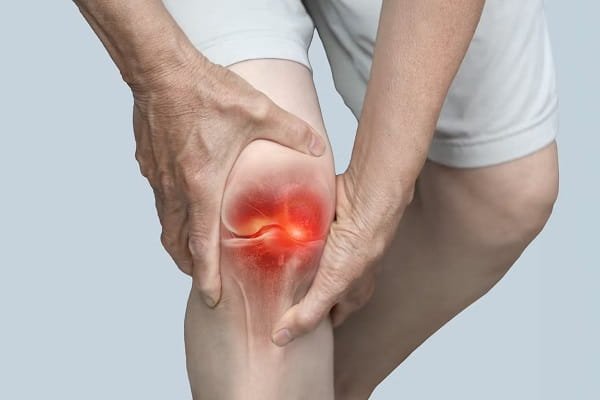
What Is Joint Pain?
Joint pain refers to discomfort, stiffness, or soreness in one or more joints. It may develop suddenly after an injury or gradually over time due to wear and tear, inflammation, or an underlying medical condition.
Joint pain can range from mild and temporary to severe and long-lasting, depending on its cause.
Common Causes of Joint Pain
Several conditions can lead to joint pain, including:
- Osteoarthritis (wear-and-tear arthritis)
- Rheumatoid arthritis
- Gout
- Joint injuries
- Tendinitis
- Bursitis
- Viral infections
- Autoimmune diseases
- Overuse from repetitive activities
- Obesity, which places extra stress on weight-bearing joints
Identifying the cause is essential because treatment varies depending on the underlying condition.
When Should You See a Doctor?
1. Joint Pain Lasts More Than a Few Days
If joint pain continues for several days without improvement despite rest and home care, it is advisable to consult a healthcare professional.
Persistent pain may indicate:
- Arthritis
- Tendon injuries
- Cartilage damage
- Inflammatory joint disorders
Early evaluation may help prevent further complications.
2. Severe or Sudden Joint Pain
Sudden, intense joint pain should never be ignored.
It may result from:
- Acute gout attack
- Joint infection
- Fracture
- Ligament injury
Prompt medical care is important to determine the cause and begin appropriate treatment.
3. Swelling, Redness, or Warmth Around the Joint
Inflammation around a joint can be a sign of infection or inflammatory arthritis.
Seek medical attention if the joint becomes:
- Swollen
- Red
- Warm to the touch
- Extremely tender
These symptoms may require urgent medical evaluation.
4. Difficulty Moving the Joint
If you cannot fully bend, straighten, or move a joint, it could indicate:
- Joint injury
- Severe inflammation
- Torn ligaments
- Advanced arthritis
Restricted movement that persists should be assessed by a doctor.
5. Joint Pain After an Injury
Medical evaluation is recommended if joint pain follows:
- A fall
- Sports injury
- Car accident
- Direct blow to the joint
Especially if there is swelling, deformity, or difficulty bearing weight.
6. Fever Along With Joint Pain
Joint pain accompanied by fever may indicate a serious infection or inflammatory condition.
Seek immediate medical care if you have:
- Fever
- Chills
- Severe joint swelling
- Redness
- Increasing pain
Joint infections require prompt treatment to prevent permanent damage.
7. Morning Stiffness Lasting More Than 30 Minutes
Morning stiffness that lasts longer than half an hour, especially if it affects multiple joints, may suggest inflammatory arthritis such as rheumatoid arthritis.
Early diagnosis can reduce the risk of long-term joint damage.
8. Pain That Interferes With Daily Activities
Consult a healthcare professional if joint pain makes it difficult to:
- Walk
- Climb stairs
- Dress yourself
- Write
- Lift everyday objects
- Sleep comfortably
Persistent limitations in daily life often require medical assessment and treatment.
9. Multiple Joints Become Painful
Pain affecting several joints at the same time may be related to:
- Rheumatoid arthritis
- Lupus
- Viral infections
- Other autoimmune diseases
A doctor may recommend blood tests, imaging studies, or other investigations to identify the cause.
10. Joint Pain Keeps Returning
Recurring episodes of joint pain should not be ignored.
Repeated flare-ups may indicate:
- Osteoarthritis
- Gout
- Chronic inflammatory arthritis
- Mechanical joint problems
Early management may help reduce symptoms and protect joint function.
Symptoms That Require Immediate Medical Attention
Seek urgent medical care if joint pain is associated with:
- High fever
- Sudden inability to move the joint
- Severe swelling
- Obvious joint deformity
- Numbness or weakness
- Open wounds near the joint
- Severe pain after an accident
These symptoms may indicate a medical emergency.
How Doctors Diagnose Joint Pain
To identify the underlying cause, a healthcare professional may perform:
- A physical examination
- Review of medical history
- Blood tests
- X-rays
- Ultrasound
- MRI scan
- Joint fluid analysis in selected cases
Accurate diagnosis helps guide the most appropriate treatment plan.
Treatment Options
Treatment depends on the cause of joint pain.
Common options include:
- Rest and activity modification
- Physical therapy
- Stretching and strengthening exercises
- Weight management
- Anti-inflammatory or pain-relieving medications prescribed by a healthcare professional
- Joint injections for certain conditions
- Surgery in severe cases when conservative treatments are no longer effective
Many people benefit from a combination of medical treatment and lifestyle changes.
Can Joint Pain Be Prevented?
Although not all joint conditions can be prevented, healthy habits can reduce the risk of chronic joint problems.
Helpful tips include:
- Maintain a healthy body weight.
- Stay physically active with low-impact exercises like walking, swimming, or cycling.
- Strengthen muscles around the joints.
- Stretch regularly to improve flexibility.
- Wear supportive footwear.
- Avoid repetitive strain when possible.
- Eat a balanced diet rich in calcium, vitamin D, and protein.
- Treat injuries promptly and allow adequate recovery.
Conclusion
Joint pain is common and is often caused by minor injuries or age-related changes, but persistent or severe symptoms should never be ignored. Pain lasting more than a few days, swelling, redness, warmth, fever, limited movement, recurring episodes, or pain that interferes with daily activities are all important reasons to seek medical attention. Early diagnosis allows healthcare professionals to identify the underlying cause, begin appropriate treatment, and help prevent permanent joint damage. By combining timely medical care with regular exercise, a healthy weight, and good joint protection habits, many people can effectively manage joint pain and maintain an active, independent lifestyle.