 By Ramesh Sharma
 Polycystic Ovary Syndrome (PCOS) is one of the most common hormonal disorders affecting women of reproductive age. It can lead to symptoms such as irregular periods, weight gain, acne, excessive hair growth, and difficulty getting pregnant. The good news is that regular exercise is one of the most effective natural ways to manage PCOS symptoms and support healthy weight loss. Exercise helps improve insulin sensitivity, balance hormones, reduce inflammation, and promote overall physical and mental well-being. While there is no single “best” workout for PCOS, combining different types of exercises with a balanced diet and healthy lifestyle can produce the best results.
Why Is Exercise Important for PCOS?
Many women with PCOS have insulin resistance, meaning the body’s cells do not respond effectively to insulin. This can increase blood sugar levels and make it easier to gain weight while making weight loss more challenging.
Regular exercise helps by:
- Improving insulin sensitivity
- Burning excess body fat
- Supporting hormone balance
- Reducing stress and anxiety
- Improving ovulation and menstrual regularity
- Lowering the risk of type 2 diabetes and heart disease
Even modest weight loss of 5–10% of body weight may improve PCOS symptoms in some women.
Best Exercises for PCOS and Weight Loss
1. Brisk Walking
Walking is one of the safest and easiest exercises for women with PCOS.
Benefits include:
- Burns calories
- Improves heart health
- Reduces insulin resistance
- Lowers stress levels
- Suitable for beginners
Aim for at least 30–45 minutes of brisk walking on most days of the week.
2. Strength Training
Strength or resistance training helps build lean muscle, which increases the body’s resting metabolism. More muscle means the body burns more calories even while resting.
Examples include:
- Squats
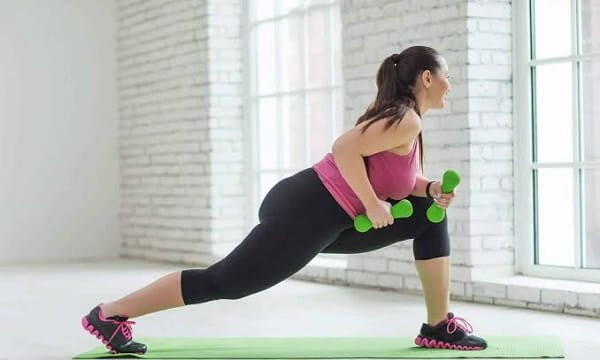
- Lunges
- Push-ups
- Dumbbell exercises
- Resistance band workouts
Perform strength training two to three times per week while allowing muscles time to recover.
3. High-Intensity Interval Training (HIIT)
HIIT involves short bursts of intense activity followed by brief recovery periods.
Examples include:
- Sprinting
- Jumping jacks
- Burpees
- Mountain climbers
- Cycling intervals
HIIT may help improve insulin sensitivity and burn calories efficiently. However, women who are new to exercise or have certain health conditions should begin gradually and seek guidance from a qualified fitness professional if needed.
4. Cycling
Cycling is a low-impact cardiovascular exercise that supports weight management without placing excessive stress on the joints.
Benefits include:
- Burns calories
- Strengthens leg muscles
- Improves endurance
- Supports heart health
Both outdoor cycling and stationary bikes are effective options.
5. Swimming
Swimming provides a full-body workout while being gentle on the knees and joints.
It helps:
- Improve cardiovascular fitness
- Increase muscle strength
- Burn calories
- Reduce stress
Swimming is especially beneficial for women who are overweight or have joint discomfort.
6. Yoga
Yoga may not burn as many calories as some other forms of exercise, but it offers several important benefits for women with PCOS.
Regular yoga practice may:
- Reduce stress hormones
- Improve flexibility
- Enhance sleep quality
- Support hormone balance
- Improve mental well-being
Stress reduction is particularly important because chronic stress can worsen hormonal imbalances.
7. Pilates
Pilates strengthens the core muscles while improving posture, balance, and flexibility.
Benefits include:
- Better muscle tone
- Improved body awareness
- Increased flexibility
- Lower stress levels
Pilates can be combined with cardio and strength training for a well-rounded fitness routine.
8. Dancing
Dance workouts are a fun and enjoyable way to stay active.
Popular options include:
- Zumba
- Bollywood dance workouts
- Aerobic dance
- Hip-hop fitness classes
Dancing improves cardiovascular health while making exercise feel less like a chore.
How Often Should Women With PCOS Exercise?
Most health experts recommend:
- At least 150 minutes of moderate-intensity aerobic activity per week, or 75 minutes of vigorous-intensity activity, along with
- Strength-training exercises on at least two days each week.
A balanced weekly routine may include:
- Brisk walking or cycling: 4–5 days
- Strength training: 2–3 days
- Yoga or stretching: 2–3 days
- Rest and recovery: 1–2 days
Consistency is more important than exercising at very high intensity.
Exercise Tips for Better Weight Loss With PCOS
To maximize the benefits of exercise:
- Combine cardio with strength training.
- Stay physically active throughout the day instead of sitting for long periods.
- Eat a balanced diet rich in protein, fiber, whole grains, fruits, vegetables, and healthy fats.
- Drink enough water before, during, and after exercise.
- Get 7–9 hours of quality sleep each night.
- Avoid crash diets, as they may negatively affect hormone balance and are difficult to maintain.
- Set realistic fitness goals and track your progress.
Common Mistakes to Avoid
Women with PCOS should avoid these common mistakes:
- Exercising only occasionally instead of maintaining a regular routine.
- Relying solely on cardio while ignoring strength training.
- Overtraining without adequate rest, which can increase fatigue and raise stress levels.
- Skipping meals or following extremely restrictive diets.
- Expecting rapid weight loss, as progress with PCOS may be slower but can still be meaningful over time.
Patience and consistency are key to long-term success.
When Should You Consult a Doctor?
Before starting a new exercise program, consult a healthcare professional if you:
- Have severe obesity or joint problems.
- Experience chest pain or breathing difficulties during exercise.
- Have uncontrolled diabetes or high blood pressure.
- Are pregnant or planning pregnancy.
- Have any other chronic medical conditions that may affect physical activity.
A doctor or registered dietitian can also help develop a personalized PCOS management plan.
Conclusion
Exercise is one of the most powerful lifestyle tools for managing PCOS and supporting healthy weight loss. Activities such as brisk walking, strength training, cycling, swimming, yoga, Pilates, dancing, and HIIT can improve insulin sensitivity, promote hormone balance, and enhance overall health. While weight loss with PCOS may take time, consistent physical activity combined with nutritious eating, adequate sleep, and stress management can significantly reduce symptoms and improve quality of life. The best exercise plan is one that is safe, enjoyable, and sustainable, making it easier to stay active and maintain long-term health.