 By Ramesh Sharma
 Food is meant to give energy, strength, and satisfaction. But not every tasty food supports the body in the same way. Some foods are made mainly for strong flavour, long shelf life, and quick cravings. They may taste exciting for a few minutes, but when eaten regularly, they can increase the risk of weight gain, high sugar intake, poor heart health, and low nutrition.
The point is not that one burger, one samosa, or one cold drink will destroy health. Real damage usually comes from habit. When unhealthy foods become daily food, they slowly replace better choices like fruits, vegetables, pulses, whole grains, nuts, curd, eggs, fish, and homemade meals.
Here are the Top 5 most unhealthy foods that should be limited as much as possible.
1. Sugary Drinks
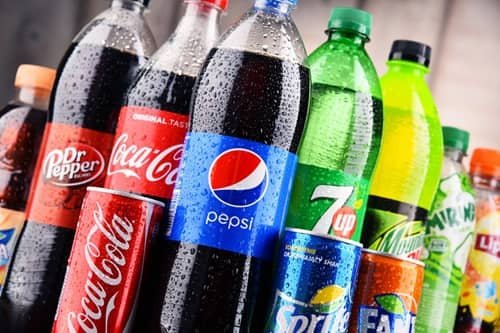
Sugary drinks are among the most unhealthy items because they add a lot of sugar without making the stomach feel full. Soft drinks, packed juices, energy drinks, sweetened iced tea, flavoured soda, and many bottled beverages come in this category.
The problem is simple: liquid sugar enters the body quickly. A person may drink hundreds of calories in a few minutes and still feel hungry. Regular intake of sugary drinks is linked with weight gain, obesity, type 2 diabetes, heart disease, cavities, and other health issues. CDC also lists sugary drinks as a concern for weight gain, diabetes, heart disease, tooth decay, and fatty liver disease.
A better choice is plain water, lemon water without sugar, coconut water in moderation, unsweetened tea, or fresh whole fruit instead of juice.
2. Processed Meat
Processed meat includes foods like sausages, salami, ham, bacon, hot dogs, pepperoni, and many packaged meat products. These foods are usually preserved by smoking, curing, salting, or adding preservatives.
Processed meat is unhealthy because it is often high in salt, saturated fat, and preservatives. The World Health Organization’s cancer agency has concluded that processed meat causes colorectal cancer, which makes it one of the most concerning food categories when eaten regularly.
This does not mean every non-veg food is bad. Freshly cooked fish, eggs, chicken, or lean meat in balanced quantity is different from heavily processed meat. The main issue is frequent intake of preserved and packaged meat.
3. Deep-Fried Fast Foods
Deep-fried foods are loved because they are crispy, hot, and satisfying. French fries, fried chicken, pakoras, samosas, chips, nuggets, bhature, and many roadside fried snacks are common examples.
The health problem comes from excess oil, high calories, and repeated frying. Some fried and baked foods may also contain industrial trans fat, especially when poor-quality fats or repeatedly heated oils are used. WHO says trans fat increases the risk of heart attacks and deaths, and it can be found in fried foods, baked goods, margarine, vanaspati ghee, crackers, biscuits, and pies.
Eating fried food occasionally is different from eating it daily. If the craving is strong, homemade shallow-fried or air-fried versions are better than regularly eating deep-fried fast food from outside.
4. Packaged Ultra-Processed Snacks
Packaged chips, instant noodles, cheese balls, sugary biscuits, cream-filled cookies, packaged cakes, namkeen mixtures, frozen snacks, and ready-to-eat meals are often ultra-processed foods. They are designed to be tasty, cheap, and easy to eat again and again.
These foods are unhealthy because they often contain refined flour, excess salt, added sugar, unhealthy fats, artificial flavours, and very little fibre. A large 2024 BMJ umbrella review found that greater exposure to ultra-processed foods was associated with higher risk of several adverse health outcomes, especially cardiometabolic problems, mental health-related outcomes, and mortality outcomes.
The biggest issue is not one packet. The problem begins when packaged snacks replace real food. Instead of chips and biscuits every evening, better options can be roasted chana, peanuts, makhana, fruit, curd, sprouts, boiled eggs, or homemade poha/upma.
5. High-Sugar Desserts and Sweets
Cakes, pastries, doughnuts, candy, ice cream, chocolate bars, gulab jamun, jalebi, sweetened cereals, and cream desserts can be enjoyable, but they are not foods to eat daily. Most of them are high in added sugar, refined flour, and fat.
Too much added sugar can contribute to weight gain, obesity, type 2 diabetes, and heart disease, according to CDC. The World Health Organization also recommends keeping free sugars below 10% of total energy intake, with further health benefits possible at lower levels.
Indian sweets are part of festivals and celebrations, so there is no need to treat them like poison. But daily sweets after every meal, sugary tea many times a day, and bakery desserts as regular snacks can slowly harm health.
Why These Foods Are Called Unhealthy
These foods are called unhealthy because they are usually high in sugar, salt, refined flour, saturated fat, trans fat, or preservatives. At the same time, they are often low in fibre, protein, vitamins, and minerals. This combination makes them easy to overeat and poor for long-term health.
A healthy diet does not need to be boring. Simple homemade meals like dal-rice, roti-sabzi, curd, eggs, fish, chicken, paneer, sprouts, fruits, nuts, and vegetables can be both tasty and nourishing.
Final Words
The top 5 most unhealthy foods are sugary drinks, processed meat, deep-fried fast foods, packaged ultra-processed snacks, and high-sugar desserts. These foods are popular because they taste good and feel convenient, but regular intake can harm the body over time. The best approach is balance: eat real food most of the time, keep junk food occasional, and make small daily improvements instead of chasing a perfect diet.