 By Ramesh Sharma
 Protein is one of the most important nutrients for the body. It helps repair cells, build muscles, support growth, maintain skin and bones, and keep the body strong from inside. MedlinePlus explains that every cell in the human body contains protein, and we need it from food to repair cells and make new ones.
For vegetarians, protein planning is very important because many plant proteins are not complete on their own. This does not mean vegetarian food is weak. It simply means we should eat a variety of foods like dal, beans, dairy, nuts, seeds, soy, and whole grains. MedlinePlus also notes that different plant proteins should be eaten through the day to get all essential amino acids.
Here are the Top 5 most protein-rich vegetarian foods that are useful, practical, and easy to include in an Indian diet.
1. Soya Chunks
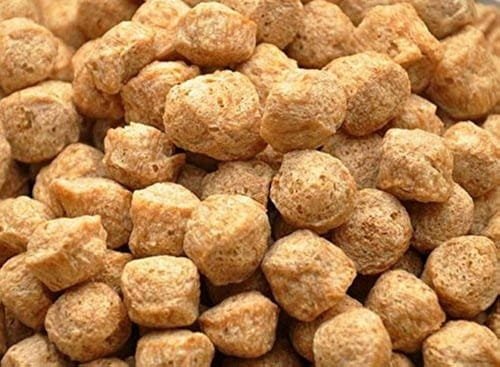
Soya chunks are one of the strongest vegetarian protein foods. They are made from defatted soy flour and are also known as textured vegetable protein. Dried textured vegetable protein is very high in protein, with around 50% protein when dry, which makes soya chunks a favourite among vegetarians, gym-goers, and people who want a budget-friendly protein source.
The best thing about soya chunks is that they are affordable and easy to cook. You can add them to curry, pulao, biryani, noodles, rolls, cutlets, or sabzi. They absorb masala well, so they can taste very good when cooked with onion, tomato, ginger, garlic, and Indian spices.
Soya chunks are especially useful for people who do not eat eggs, chicken, or fish but still want a high-protein meal. However, they should be eaten in balanced quantity. Too much soya every day may not suit everyone, so moderation is better.
2. Paneer
Paneer is one of the most popular vegetarian protein foods in India. It is rich, filling, tasty, and easy to use in many dishes. Paneer generally gives around 18–20 grams of protein per 100 grams, depending on the type and milk used.
Paneer is also a complete protein because it comes from milk. This makes it very useful for vegetarians. It can be used in paneer bhurji, palak paneer, paneer tikka, paneer roll, paneer curry, paneer paratha, or even simple grilled paneer.
The only thing to remember is that full-fat paneer can also be high in calories and fat. So, if someone is trying to lose weight, they can use paneer in controlled quantity or choose low-fat paneer when possible.
3. Lentils and Dal
Dal is the backbone of Indian vegetarian food. Moong dal, masoor dal, toor dal, chana dal, urad dal, and mixed dal are all good sources of plant-based protein. Cooked lentils provide protein along with fibre, iron, folate, and other nutrients. One cup of cooked lentils gives around 18 grams of protein, making it a strong vegetarian food choice.
Dal is not only healthy but also very practical. It can be eaten with rice, roti, khichdi, dosa, idli, or millet. For better protein quality, dal should be combined with grains. That is why dal-rice, dal-roti, khichdi, idli-sambar, and dosa-sambar are traditional but smart combinations.
Dal is also lighter than many heavy protein foods, so it suits daily eating. A bowl of dal with salad, curd, and roti can make a simple but balanced meal.
4. Chickpeas and Beans
Chickpeas, also called chana or kabuli chana, are another excellent vegetarian protein food. Cooked chickpeas provide around 14.5 grams of protein per cup, along with fibre, iron, magnesium, and slow-digesting carbohydrates.
Black chana, rajma, lobia, green peas, and other beans also belong to this powerful protein group. These foods are filling and can keep hunger under control for a longer time. Chole, kala chana curry, rajma chawal, chana salad, hummus, sprouts, and bean soup are good ways to include them.
For better digestion, chickpeas and beans should be soaked properly before cooking. Adding ginger, cumin, hing, ajwain, or lemon can also make them lighter on the stomach.
5. Peanuts and Peanut Butter
Peanuts are often treated like a small snack, but they are actually a good vegetarian protein food. Raw peanuts contain around 25.8 grams of protein per 100 grams, which makes them one of the richest plant-based protein foods by weight.
Peanuts are affordable, tasty, and easy to eat. Roasted peanuts, peanut chutney, peanut chikki, poha with peanuts, peanut butter, or peanut salad can all add protein to the diet. They also provide healthy fats, so they give good energy.
However, peanuts are calorie-dense. That means a small quantity gives a lot of calories. So, they are healthy, but portion control is important. A handful of peanuts is better than eating a large bowl without thinking.
How Much Protein Do Adults Need?
Protein need depends on age, body weight, activity level, and health condition. As a general guide, the British Heart Foundation says a healthy adult needs around 0.75 grams of protein per kg of body weight per day. That is about 45 grams per day for a 60 kg woman and 55 grams per day for a 75 kg man.
People who do heavy exercise, bodybuilding, sports training, or physical labour may need more protein. Children, teenagers, pregnant women, and elderly people also need proper protein intake according to their condition.
Final Words
The top 5 most protein-rich vegetarian foods are soya chunks, paneer, lentils, chickpeas, and peanuts. These foods are not only high in protein but also easy to include in Indian meals. Soya chunks give very high protein, paneer gives complete dairy protein, dal supports daily nutrition, chickpeas and beans add fibre with protein, and peanuts offer a budget-friendly protein boost.
A good vegetarian protein diet is not about eating only one food. The best approach is variety. Combine dal with rice, paneer with roti, chana with salad, soya with vegetables, and peanuts in snacks. This way, vegetarian food can become both tasty and powerful.