 By Ramesh Sharma
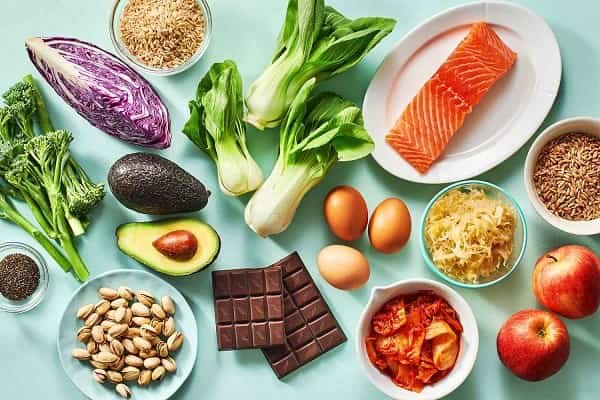
 Weight loss continues to be one of the most common health goals worldwide, and in 2026, the focus has shifted from restrictive dieting to sustainable, nutrient-rich eating habits. The best foods for weight loss are those that are high in protein, fiber, healthy fats, and essential nutrients while helping you feel full for longer. Rather than relying on fad diets or “superfoods” that promise quick results, experts recommend building a balanced diet around whole, minimally processed foods. Combined with regular physical activity, adequate sleep, and healthy lifestyle habits, these foods can support gradual and long-term weight management.
What Makes a Food Good for Weight Loss?
Not all calories affect the body in the same way. Foods that promote weight loss typically have one or more of the following qualities:
- High in protein
- Rich in dietary fiber
- Low in added sugar
- Nutrient-dense
- Help increase satiety
- Support stable blood sugar levels
Choosing these foods can make it easier to control hunger and reduce unnecessary snacking.
1. Eggs
Eggs are one of the most nutritious and affordable foods for weight loss. They are rich in high-quality protein, vitamins, and minerals.
Benefits include:
- Help keep you full for longer
- Support muscle maintenance during weight loss
- Easy to prepare for breakfast or snacks
For most healthy people, eggs can be part of a balanced diet when consumed in moderation.
2. Greek Yogurt
Greek yogurt contains more protein than regular yogurt and provides calcium and probiotics that support gut health.
Choose plain, unsweetened varieties to avoid excess added sugar.
It pairs well with:
- Fresh berries
- Nuts
- Chia seeds
- Oats
3. Lean Chicken Breast
Skinless chicken breast is an excellent source of lean protein with relatively few calories.
It helps:
- Preserve muscle mass
- Increase fullness
- Support healthy metabolism
Grilled, baked, or steamed chicken is generally healthier than fried versions.
4. Fatty Fish
Fish such as salmon, sardines, trout, and mackerel provide high-quality protein and omega-3 fatty acids.
Benefits include:
- Promote satiety
- Support heart health
- Help maintain muscle during weight loss
Including fish in meals twice a week is a healthy choice for many people.
5. Leafy Green Vegetables
Leafy greens are low in calories but rich in fiber, vitamins, and minerals.
Excellent choices include:
- Spinach
- Kale
- Lettuce
- Fenugreek leaves
- Mustard greens
These vegetables add volume to meals without significantly increasing calorie intake.
6. Oats
Oats are rich in soluble fiber, particularly beta-glucan, which helps increase feelings of fullness.
Oats may:
- Reduce hunger
- Support healthy digestion
- Help maintain steady blood sugar levels
Prepare them with milk or water and add fruit for a nutritious breakfast.
7. Beans and Lentils
Beans, lentils, and chickpeas are affordable, protein-rich, and high in fiber.
They help:
- Keep you satisfied longer
- Support digestive health
- Provide steady energy
These foods are particularly valuable in vegetarian and vegan diets.
8. Fruits
Whole fruits provide natural sweetness along with vitamins, minerals, water, and fiber.
Weight-loss-friendly options include:
- Apples
- Berries
- Oranges
- Pears
- Guava
- Papaya
Whole fruits are generally preferable to fruit juices because they contain more fiber and are less concentrated in natural sugars.
9. Nuts and Seeds
Although nuts and seeds are calorie-dense, they contain healthy fats, protein, and fiber that can help control appetite.
Healthy choices include:
- Almonds
- Walnuts
- Pistachios
- Chia seeds
- Flaxseeds
Portion control is important because they are energy-rich.
10. Whole Grains
Whole grains provide more fiber and nutrients than refined grains.
Examples include:
- Brown rice
- Whole wheat
- Quinoa
- Barley
- Millets
Replacing refined grains with whole grains may improve satiety and support overall health.
Foods to Limit for Better Weight Loss
Reducing certain foods can make weight management easier.
Try to limit:
- Sugary drinks
- Candy and desserts
- White bread
- Fried foods
- Fast food
- Highly processed snacks
- Excess alcohol
- Sweetened breakfast cereals
These foods are often high in calories but low in nutritional value.
Build Balanced Meals
Instead of focusing on a single “best” food, aim to create balanced meals that include:
- A source of lean protein
- Plenty of vegetables
- Whole grains or other high-fiber carbohydrates
- Healthy fats in moderate amounts
This combination helps maintain energy levels and reduces hunger between meals.
Lifestyle Habits That Support Weight Loss
Diet is only one part of successful weight management.
Healthy habits include:
- Exercising for at least 150 minutes each week
- Strength training two or more days per week
- Sleeping 7–9 hours each night
- Drinking enough water
- Managing stress through relaxation techniques
- Avoiding smoking
These habits complement healthy eating and contribute to long-term success.
Common Weight Loss Mistakes
Many people unknowingly slow their progress by making common mistakes such as:
- Skipping meals
- Following crash diets
- Eliminating entire food groups without medical advice
- Drinking sugary beverages regularly
- Ignoring portion sizes
- Expecting rapid weight loss
Gradual, sustainable weight loss is generally healthier and easier to maintain.
Is There a Perfect Weight Loss Diet?
There is no single diet that works for everyone. Mediterranean-style, DASH, plant-forward, and other balanced eating patterns can all support weight loss when they create a sustainable calorie deficit and provide adequate nutrition. The best diet is one that is nutritious, enjoyable, and realistic enough to follow over the long term.
Conclusion
The best foods for weight loss in 2026 are not trendy miracle ingredients but everyday, nutrient-rich foods that promote fullness and support overall health. Eggs, Greek yogurt, lean chicken, fatty fish, leafy green vegetables, oats, beans, lentils, fruits, nuts, seeds, and whole grains all contribute to a balanced eating plan that can help with healthy weight management. Combined with regular exercise, proper hydration, quality sleep, and mindful eating habits, these foods can support safe and sustainable weight loss. Rather than searching for quick fixes, focusing on consistent healthy choices remains the most effective strategy for achieving and maintaining a healthy weight.