 By Ramesh Sharma
 Smart home automation no longer means a luxury villa, expensive wiring, or a full interior renovation. In India, even a normal 1BHK, 2BHK, rented flat, or small independent house can become smarter with simple upgrades like smart bulbs, smart plugs, smart switches, motion sensors, IR blasters, and voice assistants.
The best part is that many useful smart home products now work through Wi-Fi and mobile apps. Some also support Alexa or Google Home, so you can control lights, fans, plugs, ACs, and other devices by voice or phone. Amazon’s smart home page, for example, lists compatible lights, cameras, plugs, and other devices that can be controlled through Alexa. Google Home also supports controlling multiple smart home devices through compatible speakers and displays.
For a budget-conscious Indian home, the goal should not be to automate everything at once. Start with the areas where automation actually saves effort, electricity, or improves safety.
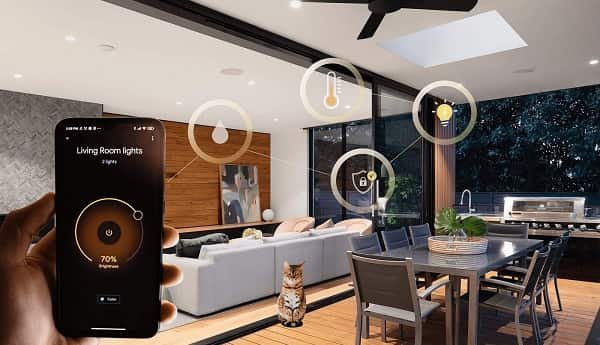
First Understand What You Want to Automate
Before buying any smart device, check your daily routine. Do you forget to switch off lights? Do you want to control the geyser safely? Do you want the AC to turn on before you enter the room? Do you want security alerts when the main door opens? Do you want your parents to control lights by voice?
Once you know the problem, choosing the right product becomes easier. Many people buy smart gadgets only because they look modern, but later they do not use them properly. A good smart home upgrade should solve a real daily problem.
For a beginner, the best order is usually smart bulbs, smart plugs, smart speaker, smart switches, IR blaster, sensors, and then security cameras.
Start With Smart Bulbs
Smart bulbs are one of the easiest and cheapest ways to begin home automation. You can control brightness, colour, schedules, and on/off timing from a phone. Some smart bulbs also work with Alexa and Google Assistant, making voice control possible.
Smart bulbs are useful for bedrooms, study rooms, balconies, puja corners, and living rooms. For example, you can set warm light in the evening, bright white light while studying, or dim light before sleeping.
In India, budget smart bulbs from brands like TP-Link Tapo, Wipro, Philips/WiZ, and similar smart lighting brands are commonly available. A TP-Link Tapo smart bulb listing in India shows app-based control, multicolour lighting, and a price below ₹1,000 during offers, though prices keep changing.
Use Smart Plugs for Geyser, Lamps and Appliances
A smart plug is one of the most practical upgrades for Indian homes. It can make a normal appliance smart without changing wiring. You plug the smart plug into the socket, connect the appliance, and control it through an app or voice assistant.
Smart plugs are useful for lamps, mosquito repellents, Wi-Fi routers, decorative lights, chargers, and some low-to-medium load appliances. For geysers, heaters, irons, or heavy appliances, always choose the correct amp rating and avoid overloading.
Some smart plugs also show energy monitoring. TP-Link’s Tapo P110 smart plug, for example, supports energy tracking, bill estimation, schedules, remote control, voice control, and safety features like overload protection.
Upgrade Important Switches First
Smart switches are better than smart bulbs when you want long-term control of fixed lights and fans. They are more suitable for living rooms, bedrooms, and frequently used areas.
You do not need to convert every switchboard at once. Start with the most-used points: living room lights, bedroom fan, balcony light, and entrance light. This keeps the cost under control.
In India, retrofit smart switch solutions are available from brands such as Havells/Crabtree, Schneider, Wipro, and other home automation brands. Schneider’s Wiser solution says it can convert a home into a smart home without rewiring or wall damage, which is useful for people who want automation without major civil work. Havells also offers smart home solutions for lights, curtains, air conditioners, and other devices through phone, tablet, or wall panel control.
Add a Smart Speaker for Voice Control
A smart speaker is not compulsory, but it makes automation feel much easier. Instead of opening the app every time, you can say a command and control lights, plugs, or compatible appliances.
For Indian homes, this is especially useful for elderly parents, children, and people who want hands-free control. A smart speaker can also be used for music, reminders, weather, alarms, timers, and basic questions.
Amazon Echo devices support smart home control through Alexa, while Google Home or Nest devices work with compatible smart devices through Google Home.
Use an IR Blaster for AC, TV and Set-Top Box
An IR blaster is a very useful budget upgrade because it can control old remote-based appliances. If your AC, TV, set-top box, music system, or fan remote works through infrared, an IR blaster can bring them into one app.
This is useful when you want to turn on the AC before entering the room, schedule TV or AC usage, or control devices through Alexa or Google Home. Some Indian smart IR blasters advertise support for ACs, TVs, set-top boxes, fans, Wi-Fi control, scheduling, and voice assistant compatibility.
For many homes, an IR blaster gives more value than buying a new smart AC or smart TV.
Add Motion Sensors and Door Sensors
Sensors make a home smarter without much effort. A motion sensor can turn on a passage light automatically when someone walks in. A door sensor can alert you when the main door, balcony door, or cupboard opens.
These are useful for security, elderly care, children’s rooms, and dark areas like corridors or stairs. They are also helpful in rented homes because many sensors are compact and easy to install.
Use sensors only where they are genuinely useful. Too many sensors can make the system confusing.
Choose Budget Security Cameras Carefully
Smart cameras are useful for entry doors, parking areas, shops, baby rooms, and elderly monitoring. But do not buy only based on low price. Check video quality, night vision, storage options, app reliability, privacy settings, and whether the camera needs a paid subscription.
For Indian homes, a basic indoor Wi-Fi camera may be enough for monitoring. Outdoor areas need weather-resistant cameras. If privacy is a concern, choose reputed brands and keep strong passwords.
Smart Fan or Smart Fan Regulator
A smart fan or smart fan regulator can be useful in bedrooms and living rooms. You can change speed through phone or voice commands. Some smart fans also support remote control, timer, and energy-saving features.
However, this is not always the first upgrade for a low-budget home. If your existing fans are working well, first automate lights and plugs. Later, upgrade fans when needed.
Common Mistakes to Avoid
Do not buy devices from too many different apps and unknown brands. It becomes irritating to manage everything separately. Try to stay within one or two ecosystems, such as Alexa-compatible, Google Home-compatible, Tapo, Smart Life/Tuya, or a reputed Indian automation brand.
Do not use a low-rated smart plug for heavy appliances. Do not ignore Wi-Fi strength because smart devices need stable internet. Do not place smart cameras without thinking about privacy. Do not automate everything in one day. Start small, test properly, and expand slowly.
Cost-Saving Tips for Smart Home Automation
Start with one room instead of the full house. Buy smart bulbs for mood lighting and smart plugs for practical control. Use an IR blaster instead of replacing old appliances. Upgrade only the most-used switches first.
For rented homes, choose plug-and-play products like smart plugs, smart bulbs, IR blasters, and removable sensors. For owned homes, smart switches and proper retrofit automation are better for long-term use.
A good budget smart home is not about showing off gadgets. It is about comfort, safety, electricity control, and daily convenience.
FAQs
Q: What is the cheapest smart home upgrade in India?
A: Smart bulbs and smart plugs are usually the cheapest starting points. They do not need major installation and can be controlled through mobile apps.
Q: Can I make my home smart without changing wiring?
A: Yes, you can start with smart bulbs, smart plugs, IR blasters, smart speakers, and some wireless sensors. For switch automation, some retrofit solutions are also available without major wall damage.
Q: Which is better, smart bulb or smart switch?
A: A smart bulb is easier and cheaper for beginners. A smart switch is better for long-term use because it controls the fixed electrical point even if the bulb is changed.
Q: Is a smart plug safe for geysers?
A: Only if you use the correct high-amp smart plug and follow the appliance load rating. For geysers, heaters, and heavy appliances, safety should come before cost.
Q: Do smart devices work without internet?
A: Most Wi-Fi smart devices need internet for remote control and voice assistant use. Some may work locally in limited ways, but full automation usually needs a stable Wi-Fi connection.
Q: Which smart home ecosystem is better in India?
A: Alexa and Google Home are both widely used. Choose based on the devices you already own and the products you plan to buy. The main point is compatibility.
Q: What should I automate first in a small Indian apartment?
A: Start with bedroom lights, balcony light, living room lamp, geyser plug, AC remote through IR blaster, and entrance sensor. These upgrades give useful benefits without a very high budget.