 By Ramesh Sharma
 Sikkim is a small Himalayan state, but its beauty feels much larger than its size. One side shows you peaceful monasteries, colourful prayer flags, clean hill roads, and the lively charm of Gangtok. Another side opens into snowy passes, high-altitude lakes, rhododendron valleys, tea gardens, waterfalls, and grand views of Kanchenjunga. The same Sikkim can feel floral in spring, green in monsoon, crystal clear in autumn, and snowy in winter. That is why the best time to visit Sikkim depends on what you want from the journey: flowers, mountain views, snow, honeymoon weather, family sightseeing, or adventure.
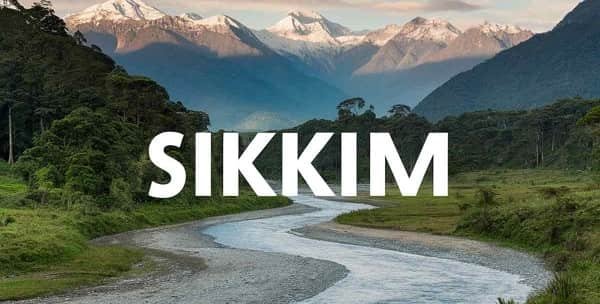
Best Time to Visit Sikkim
The best time to visit Sikkim is generally March to May and October to December. These months are the most comfortable for sightseeing, mountain views, photography, monastery visits, and road trips. Sikkim Tourism describes summer as pleasant and moderate, making it an ideal season for several parts of the state.
Spring and early summer are best for flowers, greenery, and pleasant weather. Autumn and early winter are better for clear skies, Kanchenjunga views, and a crisp mountain feel. For most first-time travellers, these two windows give the safest and most beautiful experience.
Sikkim in Spring and Summer: March to May
March to May is one of the most beautiful times to visit Sikkim. The weather stays pleasant, the hills look fresh, and flowers begin to bloom across many parts of the state. This is a very good time for Gangtok, Pelling, Ravangla, Namchi, Yuksom, Temi Tea Garden, Tsomgo Lake, and Yumthang Valley.
Yumthang is especially popular in spring because the valley is known for its colourful rhododendrons. Pelling is also a fine choice during this time because clear mornings often give beautiful views of the Kanchenjunga range. Families, honeymoon couples, and first-time visitors usually find this season comfortable because the days are not too cold and travel routes are more manageable.
May can become busier because many people travel during summer holidays. Hotel prices may rise in popular places like Gangtok and Pelling, so advance booking is better.
Sikkim in Monsoon: June to September
Monsoon is not the best time to visit Sikkim for a normal sightseeing trip. The state becomes very green, waterfalls look beautiful, and the hills feel fresh, but travel can become uncertain. Heavy rain may cause landslides, roadblocks, fog, and delays, especially on mountain routes.
If your plan includes North Sikkim, Nathula Pass, Gurudongmar Lake, or high-altitude areas, monsoon needs extra caution. Road conditions can change suddenly. Recent landslide reports on key Sikkim routes also show why travellers should be careful during rainy months.
Budget travellers may find cheaper stays in monsoon, but it is not ideal for families with children, elderly travellers, or people who want a smooth itinerary.
Sikkim in Autumn: October to November
October and November are among the best months to visit Sikkim. The monsoon has usually reduced, the air becomes cleaner, and the mountains look sharp. This is one of the finest periods for Kanchenjunga views, photography, monastery visits, and peaceful sightseeing.
Gangtok, Pelling, Ravangla, Namchi, Yuksom, and Tsomgo Lake are beautiful during this season. October is slightly warmer and more comfortable, while November brings a colder mountain feel. This season is excellent for couples, photographers, and travellers who want clear weather without the heavy summer-holiday rush.
Sikkim in Winter: December to February
Winter in Sikkim is cold and beautiful. Lower places like Gangtok, Pelling, Ravangla, and Namchi can still be visited with proper woollen clothes. Higher areas may receive snow, and some routes can become difficult depending on weather conditions.
December is a good month for travellers who want clear skies, cold weather, and a festive holiday mood. January and February are colder, and snow chances increase in higher places like Nathula, Tsomgo, Lachung, and nearby regions. However, access to high-altitude places depends on permits, road conditions, and local advisories.
For places like Nathula, Tsomgo, Yumthang, Gurudongmar, and some trekking routes, tourists need protected area permits or special permissions. Sikkim Tourism lists permit requirements for domestic and foreign tourists for several protected areas.
Best Time Based on Travel Purpose
For a first-time Sikkim trip, March to May and October to November are best. For flowers and rhododendrons, March to May is ideal. For Kanchenjunga views, October to December gives clearer skies. For snow lovers, December to February is better, especially around higher-altitude areas. For honeymoon couples, April, May, October, November, and December are excellent. For families, spring and autumn are safer than monsoon. For budget travellers, monsoon may be cheaper, but travel risk is higher.
Important Travel Tips for Sikkim
Carry warm clothes in every season because evenings can become cold, especially in Gangtok, Pelling, Lachung, and high-altitude areas. Keep rain protection if travelling between May and September. Book hotels early during summer holidays and October-November peak season. Keep one buffer day in your itinerary because mountain roads can be affected by weather. For Nathula, North Sikkim, Gurudongmar, and similar places, arrange permits through proper channels before travelling. Sikkim is best enjoyed slowly, with enough time for weather, roads, monasteries, lakes, and peaceful mountain views.