 By Ramesh Sharma
 Environmental biotechnology has emerged as one of the most important scientific fields supporting sustainability, environmental protection, and climate resilience. As governments, industries, and organizations worldwide focus on reducing pollution, conserving natural resources, and promoting sustainable development, the demand for environmental biotechnology professionals continues to grow.
This field combines biotechnology, microbiology, environmental science, genetics, and engineering to develop innovative solutions for environmental challenges. From waste management and pollution control to renewable energy and ecosystem restoration, environmental biotechnology plays a critical role in creating a greener future.
Graduates with degrees in Biotechnology, Environmental Science, Microbiology, Biochemistry, Life Sciences, Genetics, and related disciplines can explore numerous green job opportunities across public and private sectors. These careers not only offer professional growth but also allow individuals to contribute directly to environmental sustainability.
Why Choose a Career in Environmental Biotechnology?
Environmental biotechnology focuses on solving real-world environmental problems through scientific innovation and sustainable technologies.
Benefits of pursuing a green career in this field include:
- Growing global demand
- Opportunities to support sustainability
- Diverse career pathways
- Strong research and innovation focus
- Expanding environmental regulations
- Long-term career stability
As environmental concerns become increasingly important, organizations continue investing in biotechnology-driven solutions.
1. Environmental Biotechnologist
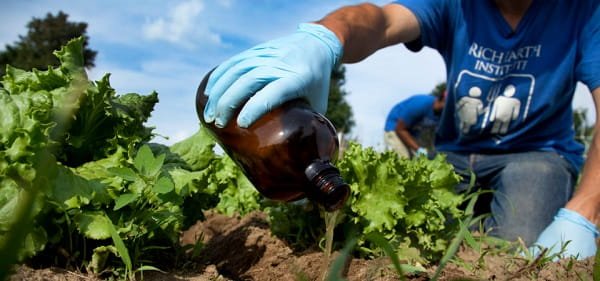
Environmental Biotechnologists develop biological solutions to address environmental challenges.
Key responsibilities include:
- Designing sustainability projects
- Developing pollution control methods
- Conducting environmental research
- Supporting waste treatment initiatives
- Improving ecological systems
This is one of the most recognized careers in environmental biotechnology.
2. Environmental Research Scientist
Research Scientists investigate environmental issues and develop innovative solutions using biotechnology.
Responsibilities include:
- Conducting scientific studies
- Collecting environmental data
- Analyzing research findings
- Developing sustainable technologies
- Publishing research reports
This role is ideal for individuals interested in scientific research and environmental innovation.
3. Waste Management Specialist
Waste Management Specialists help organizations reduce waste and improve resource utilization.
Their duties may include:
- Designing waste treatment systems
- Monitoring disposal processes
- Supporting recycling programs
- Evaluating environmental impacts
- Ensuring regulatory compliance
Effective waste management remains a major priority worldwide.
4. Bioremediation Specialist
Bioremediation Specialists use microorganisms and biological processes to remove environmental pollutants.
Responsibilities include:
- Cleaning contaminated sites
- Monitoring environmental recovery
- Conducting laboratory studies
- Supporting remediation projects
- Evaluating treatment effectiveness
This field plays a crucial role in environmental restoration.
5. Water Quality Scientist
Water Quality Scientists work to protect and improve water resources.
Key responsibilities include:
- Testing water samples
- Monitoring pollution levels
- Conducting environmental assessments
- Supporting treatment programs
- Ensuring water safety standards
Access to clean water continues to drive demand for these professionals.
6. Environmental Consultant
Environmental Consultants advise organizations on sustainability practices and environmental compliance.
Their work involves:
- Conducting environmental assessments
- Recommending improvement strategies
- Supporting regulatory compliance
- Managing sustainability projects
- Evaluating environmental risks
Consulting offers opportunities to work across multiple industries.
7. Renewable Energy Biotechnology Specialist
Renewable Energy Specialists support the development of biotechnology-based energy solutions.
Responsibilities include:
- Biofuel research
- Biomass utilization projects
- Energy sustainability initiatives
- Process optimization
- Environmental impact evaluation
The global shift toward renewable energy is creating new career opportunities.
8. Environmental Microbiologist
Environmental Microbiologists study microorganisms and their applications in environmental management.
Key duties include:
- Microbial analysis
- Pollution control research
- Ecosystem studies
- Waste treatment support
- Environmental monitoring
Microbial biotechnology remains a vital component of sustainability efforts.
9. Sustainability Program Manager
Sustainability Managers lead environmental initiatives within organizations.
Responsibilities may include:
- Developing sustainability strategies
- Monitoring environmental performance
- Managing green projects
- Coordinating stakeholders
- Supporting corporate sustainability goals
Many organizations now maintain dedicated sustainability departments.
10. Environmental Quality Assurance Specialist
Quality Assurance Specialists ensure environmental projects and operations meet required standards.
Their responsibilities include:
- Conducting inspections
- Monitoring compliance
- Reviewing environmental data
- Preparing reports
- Supporting certification processes
Environmental regulations continue to increase the importance of quality assurance roles.
Industries Hiring Environmental Biotechnology Professionals
Environmental biotechnology graduates can find opportunities in:
- Environmental consulting firms
- Biotechnology companies
- Government agencies
- Water treatment organizations
- Waste management companies
- Renewable energy firms
- Research institutions
- Sustainability-focused corporations
- Environmental laboratories
- Non-governmental organizations
The growing focus on sustainability has expanded employment opportunities across sectors.
Skills Required for Environmental Biotechnology Careers
Professionals should develop:
- Environmental research skills
- Laboratory techniques
- Data analysis capabilities
- Sustainability knowledge
- Problem-solving abilities
- Scientific communication skills
- Regulatory understanding
- Project management expertise
A combination of scientific and environmental knowledge is highly beneficial.
Higher Education and Certifications
Graduates can improve their career prospects through:
- Master’s in Environmental Biotechnology
- Master’s in Environmental Science
- Master’s in Biotechnology
- Sustainability Management Programs
- Environmental Compliance Certifications
- Renewable Energy Courses
Advanced qualifications often support progression into specialized and leadership roles.
Career Growth Opportunities
Environmental biotechnology professionals can advance into positions such as:
- Senior Environmental Scientist
- Sustainability Director
- Environmental Research Manager
- Biotechnology Consultant
- Renewable Energy Project Manager
- Environmental Policy Advisor
- Chief Sustainability Officer
The increasing importance of environmental responsibility creates strong long-term career prospects.
Future Scope of Environmental Biotechnology
The future of environmental biotechnology is highly promising due to rising investments in:
- Climate change mitigation
- Renewable energy development
- Sustainable agriculture
- Pollution control technologies
- Water conservation solutions
- Circular economy initiatives
- Green industrial practices
As governments and industries prioritize sustainability, environmental biotechnology professionals will play a key role in shaping a greener future.
Conclusion
Environmental biotechnology offers a wide range of green career opportunities for graduates who want to combine science with sustainability. From Environmental Biotechnologist and Bioremediation Specialist to Sustainability Program Manager and Renewable Energy Biotechnology Specialist, the field provides diverse pathways for professional growth. As environmental challenges continue to drive innovation and investment, the demand for skilled biotechnology professionals is expected to increase significantly. By developing expertise in environmental science, biotechnology, and sustainability practices, graduates can build meaningful careers that contribute to both economic development and environmental protection.
FAQs
Q: What are the best environmental biotechnology career options?
A: Environmental Biotechnologist, Bioremediation Specialist, Environmental Research Scientist, Sustainability Program Manager, and Water Quality Scientist are among the top career options.
Q: Are environmental biotechnology careers in demand?
A: Yes. Increasing focus on sustainability, pollution control, renewable energy, and environmental protection has created strong demand for these professionals.
Q: Which industries hire environmental biotechnology graduates?
A; Environmental consulting firms, government agencies, biotechnology companies, renewable energy organizations, research institutions, and sustainability-focused businesses frequently hire these professionals.
Q: What is bioremediation in environmental biotechnology?
A: Bioremediation involves using microorganisms and biological processes to remove pollutants from soil, water, and other environments.
Q: Can biotechnology graduates work in sustainability-related careers?
A: Yes. Biotechnology graduates can pursue careers in sustainability management, environmental consulting, renewable energy, and environmental research.
Q: What skills are important for environmental biotechnology careers?
A: Environmental research, laboratory techniques, data analysis, sustainability knowledge, scientific communication, regulatory awareness, and project management skills are highly valuable.