 By Hemlata Soni
 Delhi is India’s political capital and one of the country’s busiest transport centres, and therefore dependable road transport remains essential for daily commuting and long-distance travel. Since the city connects northern states, neighbouring NCR districts, railway corridors, airports, and metro lines, millions of passengers travel through Delhi every year. Consequently, organised bus terminals play a major role in national mobility. Among these hubs, ISBT Bus Stand is one of the busiest and most recognised transport hubs in North India.
ISBT usually refers to an Inter-State Bus Terminal, and Delhi has major terminals such as Maharana Pratap ISBT, Kashmere Gate ISBT, Anand Vihar ISBT, and Sarai Kale Khan ISBT. These terminals serve state transport buses, private operators, city feeder services, and interstate routes. Moreover, they lie close to metro stations, railway links, markets, business zones, and hotels. Because of this strategic planning, students, office workers, tourists, pilgrims, and long-distance travellers rely on ISBT terminals throughout the year.
In addition, ISBT bus stands support more than passenger boarding. They also help route interchanges, fleet movements, and passenger distribution across Delhi and neighbouring states. Therefore, they remain a vital part of the capital’s transport system.
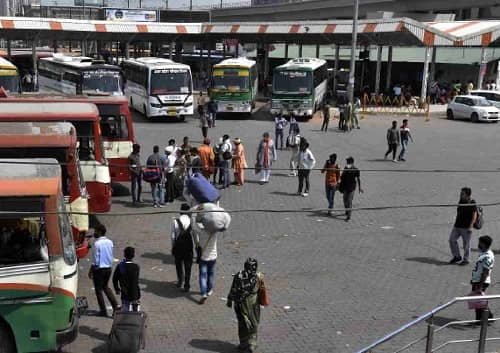
ISBT Bus Stand Quick Overview
| Details | Information |
| Popular Name | ISBT Bus Stand |
| Full Form | Inter State Bus Terminal |
| Main City Reference | Delhi |
| State / UT | Delhi |
| Type | Interstate / Intercity Bus Terminal |
| Main Operators | DTC Feeder, State Transport Corporations, Private Operators |
| Known For | North India travel gateway |
| Major Terminals | Kashmere Gate, Anand Vihar, Sarai Kale Khan |
| Key Routes | UP, Haryana, Punjab, Rajasthan, Uttarakhand |
| Main Users | Travellers, Students, Workers, Tourists |
Google Map Location:
The The
ISBT Bus Stand was developed as a major passenger hub because Delhi required organised interstate movement for the rising population and regional travel demand. Unlike smaller city depots, ISBT terminals handle large-scale long-distance operations, scheduled departures, and multi-state passenger movement together. Therefore, route scheduling and organised boarding remain highly important.
Furthermore, major ISBT terminals include multiple bays, waiting halls, route boards, ticket counters, enquiry desks, and nearby commercial facilities. Since buses run throughout the day and night, passengers usually find regular services to major destinations. At the same time, metro and railway links help travellers continue local journeys quickly.
Main Passenger Facilities
- Large covered waiting halls
- Seating zones
- Route information boards
- Ticket booking counters
- Frequent interstate services
- Food courts and tea shops
- Drinking water points
- Public restrooms
- Auto and taxi access
- Nearby ATMs and shops
- Passenger help counters
- Metro and rail connectivity
Therefore, commuters and long-distance travellers often find ISBT terminals practical.
Bus Depot and OperationCentreer
Besides passenger movement, ISBT bus stands also function as important operational centres for interstate services. Since thousands of buses and passengers depend on these terminals daily, strong backend coordination remains necessary.
Main Depot Functions
| Depot Service | Purpose |
| Route Dispatch | Sends buses to multiple states |
| Fleet Rotation | Moves buses to high-demand routes |
| Driver Support | Shift reporting and coordination |
| Queue Management | Helps organized boarding |
| Holiday Planning | Adds buses during peak seasons |
| Transit Control | Supports large passenger flow |
Moreover, weekends, holiday seasons, and festival periods often lead to the highest demand. Consequently, operators often increase service frequency during peak periods.
Full Route Map and Major Destinations
Delhi’s ISBT terminals benefit from strategic citywide placement. Because highways connect Delhi in multiple directions, buses operate efficiently across North India.
Kashmere Gate ISBT Routes
- Chandigarh
- Amritsar
- Dehradun
- Shimla
Anand Vihar ISBT Routes
- Meerut
- Lucknow
- Varanasi
- Haridwar
Sarai Kale Khan ISBT Routes
- Jaipur
- Agra
- Alwar
Route Direction Map
| Direction | Key Areas |
| North | Chandigarh, Dehradun, Shimla |
| East | Meerut, Lucknow, Varanasi |
| South-East | Agra |
| South-West | Jaipur, Alwar |
| Regional | NCR towns |
Thus, ISBT bus stands remain among India’s strongest route junctions.
City Connectivity from Delhi
One of the SBT terminals’ biggest strengths is easy access. Since they lie in major transport zones, passengers can reach them quickly.
Best Ways to Reach ISBT Bus Stand
- Delhi Metro – Direct access to major terminals.
- City Buses – Frequent DTC routes connect neighbourhoods.
- Auto Rickshaws – Easily available across Delhi.
- Taxi / App Cabs – Useful for luggage or family travel.
- Rail Transfer – Nearby railway stations support long journeys.
Consequently, passengers often choose ISBT terminals for convenience.
Why ISBT Bus Stand Matters
Delhi depends on efficient transport for tourism, jobs, administration, education, and interstate mobility. Therefore, strong ISBT terminals directly support the capital’s economy.
Key Benefits
- Prime transport locations
- Strong interstate connectivity
- Frequent long-distance services
- Excellent metro access
- Affordable travel options
- Supports nearby businesses and markets
- Easy multi-modal transfers
Additionally, hotels, eateries, and service centres in the area benefit from steady passenger traffic.
Travel Tips for Passengers
Since ISBT terminals remain busy for most of the day, planning helps greatly.
- Arrive early during weekends and holidays.
- Confirm bay numbers before boarding.
- Use the metro during heavy traffic periods.
- Keep bags secure in crowded areas.
- Carry water and essentials.
- Allow extra time during winter fog.
- Book festival routes early during peak demand.
Therefore, a little preparation can make the journey easier.
Final Thoughts
ISBT Bus Stand remains one of India’s most valuable transport systems because it combines a strategic location, diverse routes, and frequent services. Moreover, it links students, workers, tourists, and families with important destinations every day. Since Delhi continues to grow as a national capital, ISBT terminals will remain essential to the region’s future mobility.
FAQs About ISBT Bus Stand
Q: What does ISBT mean?
A: ISBT means Inter-State Bus Terminal.
Q: Which city is famous for ISBT terminals?
A: Delhi has some of India’s best-known ISBT terminals.
Q: Which are the main ISBT terminals in Delhi?
A: Maharana Pratap ISBT, Kashmere Gate, Anand Vihar ISBT, and Sarai Kale Khan ISBT.
Q: Which buses operate from ISBT?
A: State transport, private interstate, and feeder services operate here.
Q: Does ISBT get crowded?
A: Yes, weekends, holidays, and festive seasons often bring higher traffic.
Q: Is metro connectivity available?
A: Yes, major Delhi ISBT terminals connect with the Delhi Metro.
Q: Why is ISBT important?
A: It connects Delhi with multiple states through organised bus travel.
Q: Is it useful for travellers?
A: Yes, many passengers use ISBT for affordable long-distance travel.