 By Hemlata Soni
 Kolkata is one of India’s largest metropolitan centres for commerce, education, healthcare, and daily commuting, and therefore dependable road transport remains essential for city life. Since the metro region connects suburbs, industrial belts, railway corridors, and river-crossing routes, thousands of passengers travel across northern Kolkata every day. Consequently, organized bus terminals play a major role in urban mobility. Among these hubs, Dunlop Bus Stand is one of the busiest and most important transport centres in the northern belt.
Located in the Dunlop area near Baranagar, this terminal serves city buses, suburban routes, feeder services, and inter-district connections. Moreover, it lies close to residential neighbourhoods, markets, hospitals, metro links, railway access, and business zones. Because of this strategic location, students, office workers, traders, factory staff, and local commuters rely on the terminal throughout the year.
In addition, Dunlop Bus Stand supports more than passenger boarding. It also helps route interchange, fleet movement, and passenger distribution across North Kolkata, Howrah-side links, and suburban corridors. Therefore, it remains a vital part of Kolkata’s transport system.
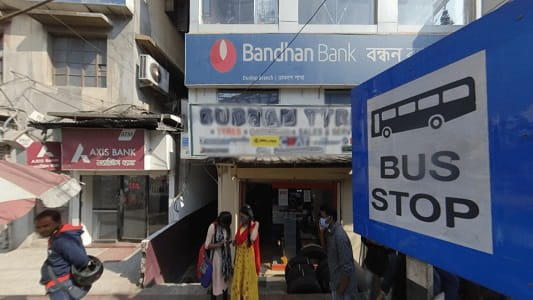
Dunlop Bus Stand Quick Overview
| Details | Information |
| Popular Name | Dunlop Bus Stand |
| City | Kolkata |
| State | West Bengal |
| Area | Dunlop / Baranagar Belt |
| Type | City / Suburban / Regional Bus Terminal |
| Main Operators | WBTC, Private Operators |
| Known For | North Kolkata commuter hub |
| Nearby Metro Access | Noapara / Baranagar corridor |
| Nearby Railway Access | Suburban rail links |
| Key Routes | Esplanade, Howrah, Dakshineswar, Barrackpore |
| Main Users | Workers, Students, Commuters, Travellers |
Bus Terminal Info
Dunlop Bus Stand developed into a major passenger hub as northern Kolkata expanded through housing growth, industrial activity, educational centres, and river corridor travel. Unlike smaller roadside stops, this terminal handles city movement, suburban travel, and feeder services together. Therefore, route scheduling and organized boarding remain highly important.
Furthermore, the terminal includes multiple bays, waiting areas, route boards, enquiry counters, and nearby commercial facilities. Since buses run throughout the day, passengers usually find regular services to major destinations. At the same time, metro and rail links help travellers continue local journeys quickly.
Main Passenger Facilities
- Covered waiting areas
- Seating zones
- Route information boards
- Frequent city and suburban services
- Food stalls and tea shops
- Drinking water points nearby
- Public restrooms
- Auto and taxi access
- Nearby shops and ATMs
- Passenger help counters
- Easy BT Road access
- Metro and rail feeder connectivity
Therefore, commuters and outstation travellers often find the terminal practical.
Bus Depot and Operations Centre
Besides passenger movement, Dunlop Bus Stand also functions as an important operational centre for dense commuter routes. Since thousands of passengers depend on this corridor daily, strong backend coordination remains necessary.
Main Depot Functions
| Depot Service | Purpose |
| Route Dispatch | Sends buses on scheduled corridors |
| Fleet Rotation | Moves buses to busy routes |
| Driver Support | Shift reporting and coordination |
| Queue Management | Helps organized boarding |
| Peak Hour Planning | Adds buses during rush periods |
| Feeder Links | Supports metro and rail transfers |
Moreover, weekday mornings, office hours, and evenings usually create the highest demand. Consequently, operators often increase service frequency during peak periods.
Full Route Map and Major Destinations
Dunlop benefits from its strategic location on the northern Kolkata corridor. Because arterial roads, metro links, and river bridge routes connect the area in multiple directions, buses operate efficiently across Kolkata and nearby towns.
Kolkata City Routes
- Esplanade
- Howrah Station
- Shyambazar
- Salt Lake
- Ultadanga
Northern Corridor Routes
- Dakshineswar Temple
- Barrackpore
- Sodepur
- Kamarhati
Transit Links
- Noapara Metro Station
- Baranagar Metro Station
Route Direction Map
| Direction | Key Areas |
| South | Shyambazar, Esplanade |
| West | Howrah |
| North | Dakshineswar, Barrackpore |
| East | Salt Lake, Ultadanga |
| Local | Sodepur, Kamarhati |
Thus, Dunlop remains one of Kolkata’s strongest suburban route junctions.
Connectivity from Kolkata City
One of Dunlop Bus Stand’s biggest strengths is easy access. Since it lies in a busy urban zone, passengers can reach it quickly.
Best Ways to Reach the Bus Stand
- City Buses – Frequent routes connect major neighbourhoods.
- Metro Rail – Nearby metro stations offer quick transfers.
- Auto Rickshaws – Easily available across the area.
- Taxi / App Cabs – Useful for luggage or office travel.
- Walking Access – Convenient from nearby markets and roads.
Consequently, commuters often choose the terminal for convenience.
Why Dunlop Bus Stand Matters
Northern Kolkata depends on efficient transport for jobs, education, retail trade, healthcare access, and neighbourhood mobility. Therefore, a strong terminal directly supports the local economy.
Key Benefits
- Prime northern location
- Strong citywide connectivity
- Frequent commuter services
- Useful metro access
- Easy Howrah links
- Affordable travel options
- Supports nearby businesses and markets
Additionally, shops, eateries, and service centres in the area benefit from steady passenger traffic.
Travel Tips for Passengers
Since the terminal remains busy for most of the day, planning helps greatly.
- Arrive early during office rush hours.
- Confirm route numbers before boarding.
- Use the metro during heavy traffic periods.
- Keep bags secure in crowded areas.
- Carry small change for faster boarding.
- Allow extra time during monsoon congestion.
- Use live apps for route timing updates.
Therefore, a little preparation can make the journey easier.
Final Thoughts
Dunlop Bus Stand remains one of Kolkata’s most valuable suburban transport hubs because it combines a strategic location, diverse routes, and frequent services. Moreover, it links workers, students, shoppers, and families with important destinations every day. Since Kolkata continues to grow as a dynamic metro region, this terminal will remain essential to the city’s future mobility.
FAQs About Dunlop Bus Stand
Q: Where is the Dunlop Bus Stand located?
A: It is located in the Dunlop area of Kolkata.
Q: Which buses operate from here?
A: WBTC city buses, private routes, suburban services, and feeder buses operate here.
Q: Is metro connectivity available nearby?
A: Yes, nearby metro stations support fast access.
Q: Which routes are popular?
A: Esplanade, Howrah Station, Dakshineswar Temple, and Barrackpore are common routes.
Q: Does the bus stand get crowded?
A: Yes, weekdays, office hours, and weekends often bring higher traffic.
Q: Is it useful for daily commuters?
A: Yes, many passengers use it for regular city travel.
Q: Why is Dunlop Bus Stand important?
A: It connects North Kolkata with the central city and suburban corridors.
Q: Is it useful for travellers?
A: Yes, many passengers use it for affordable urban and suburban travel.