 By Ramesh Sharma
 Leh Ladakh is not a regular hill station where you go only for cool weather. It is a high-altitude world of brown mountains, blue lakes, silent monasteries, long empty roads, and skies that look unusually close. One season shows you snow walls on mountain passes, another gives you clear lake views, while winter turns the whole region into a frozen desert. That is why the best time to visit Leh Ladakh depends on your travel style. A biker, a family traveller, a honeymoon couple, a photographer, and a winter adventure lover may not choose the same month.
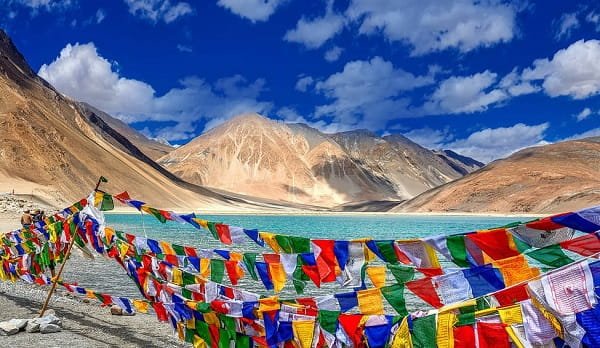
Best Time to Visit Leh Ladakh
The best time to visit Leh Ladakh for most travellers is from May to September. During this period, the weather is comparatively better, many tourist routes remain accessible, and famous places like Nubra Valley, Pangong Lake, Magnetic Hill, Shanti Stupa, Thiksey Monastery, Hemis Monastery, and Khardung La are easier to cover. The Leh district administration notes that Ladakh is mainly dry with little or no rainfall, but temperatures vary sharply between summer and winter. It also mentions that the Srinagar-Leh highway usually remains open from May to November/December, while the Manali-Leh route usually opens around May/June and continues till September/October, depending on weather and road conditions.
For first-time tourists, June to September is usually the safest and most comfortable window. Flights to Leh operate in other months too, but road trips and high-pass movement are much easier in summer.
Leh Ladakh in Summer: April to June
Summer is the beginning of Ladakh’s main tourist season. April is still cold in many areas, and some roads may not be fully open. By May and June, the weather becomes more travel-friendly. Snow can still be seen on high passes, which makes the journey more beautiful for many visitors.
This is a good time for sightseeing in Leh town, visiting monasteries, exploring Sham Valley, and slowly moving towards Nubra Valley and Pangong Lake after proper acclimatization. Days are pleasant, but nights can still feel cold. Travellers coming from hot Indian cities often find this weather refreshing, but the high altitude should not be taken lightly.
June is especially popular for bikers and road-trip lovers because the Manali-Leh and Srinagar-Leh routes start becoming active around this time. Still, exact road opening depends on snow clearance and official updates every year.
Leh Ladakh in Monsoon: July to September
Ladakh lies in a rain-shadow region, so it does not receive monsoon rain like Himachal, Uttarakhand, or Meghalaya. However, the approach roads from Manali and Srinagar can still be affected by rain, landslides, slush, or temporary closures. Once you reach Ladakh, the weather is usually dry and bright, with strong sunlight during the day and cold air in the evening.
July and August are peak travel months. Pangong Lake looks stunning, Nubra Valley becomes lively, and most hotels, camps, taxis, cafes, and travel services are active. This is also a good time for photography because the lakes, skies, and mountains show sharp colours.
September is one of the best months for a slightly calmer Ladakh trip. The crowd starts reducing, the weather remains good, and the landscape looks crisp. For many travellers, September gives the best balance of beauty, comfort, and fewer tourists.
Leh Ladakh in Autumn: October to November
October is beautiful but colder. The tourist crowd becomes thinner, and the mountains start getting a raw, quiet charm. Pangong and Tso Moriri look peaceful, and the roads may still be open in early October if weather permits. However, night temperatures drop sharply, and many seasonal camps begin closing.
November is not ideal for normal sightseeing because the cold increases and road travel becomes uncertain. Flights may still bring travellers to Leh, but remote movement becomes more limited. This period is better for experienced travellers who understand cold-weather planning.
Leh Ladakh in Winter: December to March
Winter in Leh Ladakh is extreme. Temperatures can fall far below zero, and many areas become difficult to access. The official Leh climate information mentions that winter night temperatures can plunge very low, while daytime temperatures may also remain below freezing in severe conditions.
Still, winter has its own magic. Frozen landscapes, quiet monasteries, snow-covered roads, and the famous Chadar Trek attract serious adventure lovers. This season is not suitable for casual family holidays or first-time road trips. It needs proper clothing, health preparation, flexible planning, and local guidance.
Best Time Based on Travel Purpose
For a first-time trip, June to September is best. For a bike trip, June to early September is usually preferred. For honeymoon couples, June, September, and early October are good choices. For Pangong Lake and Nubra Valley, June to September gives better accessibility. For snow views, May to June can be rewarding on high passes. For fewer crowds, September is one of the finest months. For winter adventure, January and February are suitable only for experienced travellers.
Important Travel Tips for Leh Ladakh
Do not rush your itinerary after landing in Leh. The district administration advises tourists arriving by air to take at least 48 hours for acclimatization before travelling to higher-altitude places such as Khardung La and Pangong Lake. Drink enough water, avoid alcohol on the first day, carry warm clothes even in summer, and keep buffer time because road and weather conditions can change quickly.
Leh Ladakh rewards slow travel. The best trip is not the one where you cover the maximum places, but the one where your body adjusts well and you enjoy the mountains without hurry.