 By Ramesh Sharma
 Iron is one of the most important minerals for the body. It helps make haemoglobin, the protein in red blood cells that carries oxygen from the lungs to different parts of the body. When iron intake is low for a long time, a person may feel tired, weak, dizzy, breathless, or low in energy. That is why iron-rich food is especially important for growing children, teenagers, women, pregnant women, athletes, and people who often feel fatigued.
The interesting thing about iron is that it comes in two forms: heme iron and non-heme iron. Heme iron is found in meat, seafood, and poultry, and it is absorbed more easily by the body. Non-heme iron is found in plant foods like beans, lentils, spinach, nuts, seeds, and fortified grains. Plant-based iron is also useful, but it works better when eaten with vitamin C-rich foods like lemon, amla, orange, tomato, or capsicum.
Here are the Top 5 most iron-rich foods that can help improve daily iron intake.
1. Iron-Fortified Cereals and Grains
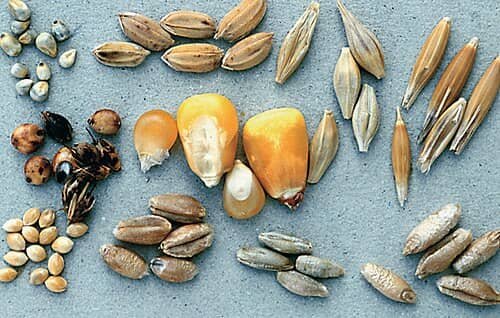
Iron-fortified cereals are among the highest iron foods because extra iron is added to them during processing. Some fortified breakfast cereals can provide around 18 mg of iron per serving, which is a very high amount compared with many natural foods.
This is why fortified cereals, fortified breads, and iron-enriched grain products can be useful for people who struggle to get enough iron from regular meals. They are especially convenient for breakfast. However, it is always better to choose less sugary options and read the nutrition label before buying.
In India, fortified atta, cereals, and some packaged grain products are also becoming more common. They can support iron intake when used along with dal, vegetables, fruits, and protein-rich foods.
2. Oysters and Shellfish
Oysters are one of the richest natural sources of iron. Cooked oysters can provide around 8 mg of iron in a 3-ounce serving, making them a powerful iron-rich seafood option.
Shellfish is valuable because it provides heme iron, which the body absorbs better than plant-based iron. Apart from iron, seafood also gives protein and other minerals. For people who eat non-vegetarian food and have access to good-quality seafood, oysters, clams, and similar shellfish can be excellent choices.
The only thing to remember is that seafood should be fresh, properly cooked, and eaten from a safe source.
3. Beans, Lentils and Chickpeas
Beans and lentils are some of the best iron-rich foods for vegetarians. White beans can provide around 8 mg of iron per cup, while boiled lentils provide around 3 mg of iron in half a cup. Kidney beans, chickpeas, peas, soybeans, and other legumes are also good plant-based iron sources.
For Indian meals, this category is very easy to include. Dal, rajma, chole, black chana, sprouts, soybean curry, and mixed pulses can all support iron intake. These foods also give fibre and protein, so they are good for overall health.
To improve iron absorption, add lemon juice, tomato, amla chutney, or salad with these meals. This simple habit can make plant-based iron more useful for the body.
4. Liver and Lean Red Meat
Liver is one of the strongest animal-based sources of iron. Beef liver gives around 5 mg of iron in a 3-ounce serving, and lean red meat is also listed among the best iron sources.
The main benefit of liver and red meat is that they provide heme iron. This type of iron is easier for the body to absorb, so smaller portions can still be effective. Liver is also rich in other nutrients, but it should not be eaten in excess because it can be very high in vitamin A and cholesterol depending on the type and quantity.
For non-vegetarians, lean meat, liver, poultry dark meat, and fish can be part of an iron-supporting diet when eaten in balanced portions.
5. Spinach, Tofu and Green Leafy Vegetables
Spinach, tofu, kale, broccoli, and other green vegetables are useful iron foods, especially for vegetarians. Boiled spinach and firm tofu can each provide around 3 mg of iron in half a cup. Green vegetables also bring fibre, folate, antioxidants, and other minerals.
Spinach is famous for iron, but its iron is non-heme iron, so the body does not absorb it as easily as iron from meat or seafood. That does not mean spinach is useless. It simply means you should eat it smartly. Add lemon juice, tomato, capsicum, or amla with spinach dishes to improve absorption.
Indian options like palak dal, palak paneer, saag, methi, drumstick leaves, and mixed green sabzi can be good additions to a regular diet.
Best Tips to Absorb Iron Better
Eating iron-rich food is important, but absorbing that iron is equally important. Vitamin C-rich foods like citrus fruits, tomatoes, potatoes, strawberries, and bell peppers help the body absorb iron better. MedlinePlus also notes that black tea can reduce iron absorption because some substances in tea bind with dietary iron.
So, a good habit is to avoid tea or coffee immediately with iron-rich meals. Instead, add lemon, amla, orange, or tomato-based salad to your food.
Final Words
The best iron-rich foods include fortified cereals, oysters, beans, lentils, liver, lean meat, tofu, and leafy greens. For non-vegetarians, seafood and meat provide easily absorbed iron. For vegetarians, beans, lentils, tofu, spinach, seeds, and fortified grains can work well when paired with vitamin C. A balanced diet is always better than depending on only one food. If someone has very low haemoglobin or suspected iron deficiency, they should check with a doctor before taking iron supplements.