 By Ramesh Sharma
 Fat is often misunderstood. Many people hear the word “fatty” and immediately think the food is bad. But the truth is more balanced. The body needs some fat for energy, hormones, cell health, and absorption of vitamins like A, D, E, and K. The real question is not only how much fat a food has, but also what type of fat it contains.
Some fatty foods, like nuts, seeds, avocado, and olive oil, contain mostly unsaturated fats and can be useful in small portions. Others, like excess butter, cream, processed snacks, and deep-fried fast foods, can increase saturated or trans fat intake. Harvard’s Nutrition Source also explains that unsaturated fats are the healthier fats, while saturated fats should be limited and trans fats should be avoided.
Here are the Top 5 most fatty foods that are commonly eaten around the world.
1. Cooking Oils
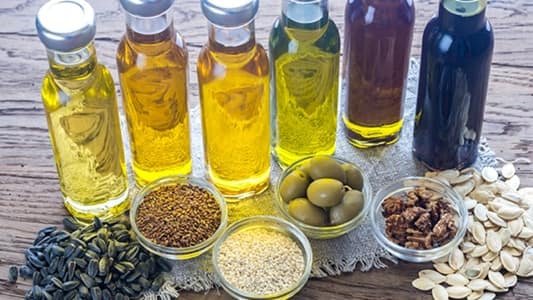
Cooking oils are among the fattiest foods because they are almost pure fat. Olive oil, mustard oil, groundnut oil, sunflower oil, coconut oil, sesame oil, and other edible oils are used daily in cooking. They add taste, texture, and richness to food.
Oil is not automatically unhealthy. Many liquid vegetable oils contain unsaturated fats, which are better than saturated and trans fats when used wisely. MedlinePlus notes that oils like olive and canola oil contain monounsaturated fats, while oils such as sunflower, corn, soybean, and safflower contain polyunsaturated fats.
The problem starts when oil is used too much. Deep-fried snacks, oily curries, pakoras, pooris, fries, and fast food can quickly increase daily fat intake. Even healthy oil should be used in controlled quantity.
2. Butter and Ghee
Butter and ghee are famous high-fat foods. They make food aromatic, rich, and satisfying. A spoon of ghee on dal, rice, roti, khichdi, or paratha can improve taste instantly. Butter is widely used in toast, paratha, pav bhaji, bakery items, and restaurant dishes.
But both butter and ghee are high in saturated fat. MedlinePlus lists butter among foods high in saturated fat and says too much saturated fat may lead to heart disease and other health problems.
This does not mean ghee or butter must be completely removed from the diet. In Indian homes, small amounts of ghee are traditionally used. The safer approach is moderation. One small spoon may be fine for many people, but eating buttery food several times a day can increase calorie and fat intake very fast.
3. Nuts and Seeds
Nuts and seeds are naturally fatty foods, but they are also among the better fatty foods. Almonds, walnuts, cashews, pistachios, macadamia nuts, peanuts, chia seeds, flaxseeds, sesame seeds, and sunflower seeds contain good fats along with protein, minerals, and fibre.
Macadamia nuts are especially high in fat. USDA-linked nutrition data lists raw macadamia nuts at about 75.77 g total fat per 100 g, which makes them one of the fattiest natural foods. Oregon State University’s Linus Pauling Institute also notes that although nuts are high in fat, most of their fat is monounsaturated and polyunsaturated rather than saturated.
The best way to eat nuts is in small portions. A handful of nuts can be healthy, but eating a large bowl daily can add too many calories.
4. Cheese and Cream
Cheese and cream are rich, tasty, and very fatty. They are used in pizza, pasta, burgers, sandwiches, desserts, gravies, soups, and many restaurant-style dishes. Full-fat cheese can make food creamy and satisfying, but it also increases fat and calorie content.
Cheese is not useless food. It can provide protein and calcium. But many cheeses are also high in saturated fat and salt. Cream is even heavier and is often added to dishes to make them thick and rich.
Foods like cheese burst pizza, creamy pasta, white sauce dishes, cheese-loaded burgers, malai curries, and heavy desserts can become very fatty very quickly. These foods are best enjoyed occasionally rather than as daily meals.
5. Avocado and Coconut
Avocado and coconut are both fatty plant foods, but they are different in nature. Avocado is known for its creamy texture and healthy fat profile. Harvard’s Nutrition Source says the main fat in avocado is oleic acid, the same main fatty acid found in olive oil.
Coconut, on the other hand, is also high in fat, but much of it is saturated fat. Coconut oil, coconut milk, coconut cream, and coconut-based sweets can be heavy if eaten too often. MedlinePlus includes coconut oil among foods high in saturated fat.
Avocado can be eaten in salads, sandwiches, toast, dips, and smoothies. Coconut is common in South Indian, coastal Indian, Thai, and many tropical cuisines. Both can be part of a diet, but portion control is important.
Are Fatty Foods Always Bad?
No, fatty foods are not always bad. The body needs fat, but the type and amount matter. Unsaturated fats from nuts, seeds, avocado, fish, and many liquid oils are generally better choices. Saturated fats from butter, ghee, cream, cheese, red meat, coconut oil, and palm oil should be limited. Trans fats, often linked with some processed and fried foods, should be avoided as much as possible.
Final Words
The top 5 most fatty foods are cooking oils, butter and ghee, nuts and seeds, cheese and cream, and avocado or coconut-based foods. Some of these foods can be healthy in small portions, while others should be limited. The best approach is simple: use less deep frying, avoid excess butter and cream, eat nuts in small amounts, and choose healthier fats more often than heavy saturated-fat foods.