 By Ramesh Sharma
 Organization is a skill that can significantly improve productivity, reduce stress, and help you manage responsibilities more effectively. Many people believe that being organized is a natural talent that some individuals possess while others do not. However, organization is not an inborn trait. It is a set of habits and systems that anyone can develop with consistent effort.
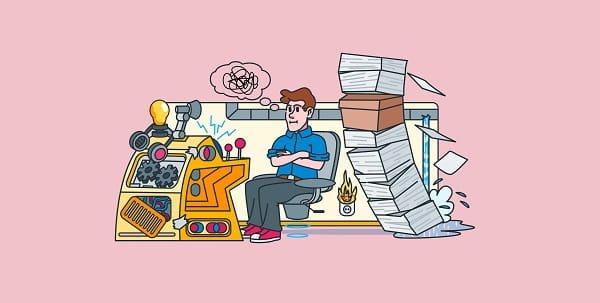
When your life feels disorganized, simple tasks often take longer than necessary, important deadlines can be missed, and daily responsibilities may feel overwhelming. On the other hand, an organized lifestyle creates clarity, saves time, and allows you to focus on what truly matters. By making a few intentional changes to your routines and habits, you can become more organized and enjoy greater control over your daily life.
Understand the Benefits of Being Organized
Before creating new organizational habits, it is important to recognize the advantages they provide.
Being organized can help you:
- Manage time more effectively
- Reduce stress and anxiety
- Increase productivity
- Improve focus and concentration
- Meet deadlines consistently
- Maintain a better work-life balance
- Feel more in control of daily responsibilities
Furthermore, organization allows you to spend less time searching for things and more time working toward your goals.
Start by Decluttering Your Environment
Physical clutter often contributes to mental clutter. A disorganized space can make it harder to focus and complete tasks efficiently.
Begin by organizing areas such as:
- Your desk
- Bedroom
- Kitchen
- Digital files
- Work materials
As you declutter, ask yourself whether each item is useful, necessary, or meaningful. Removing unnecessary items creates a cleaner and more manageable environment.
A tidy space can improve concentration and make daily activities feel less overwhelming.
Use a Daily To-Do List
One of the simplest ways to stay organized is by creating a daily task list. Writing tasks down prevents you from relying solely on memory and helps ensure that important responsibilities are not forgotten.
An effective to-do list should:
- Include realistic tasks
- Prioritize important activities
- Be reviewed regularly
- Focus on achievable goals
Rather than creating an overwhelming list, identify a few key tasks that must be completed each day.
Plan Your Day in Advance
Successful organization often begins before the day starts. Taking a few minutes each evening to prepare for the next day can save valuable time and reduce stress.
Consider planning:
- Important appointments
- Work priorities
- Personal commitments
- Meals
- Exercise sessions
When you start the day with a clear plan, you are less likely to waste time deciding what to do next.
Prioritize Your Tasks
Not all tasks are equally important. Some activities contribute significantly to your goals, while others have little impact.
To stay organized, identify:
- Urgent tasks
- Important long-term priorities
- Routine responsibilities
- Activities that can wait
Focus on completing high-priority tasks first. This approach helps ensure that important work receives the attention it deserves.
Create Systems for Frequently Used Items
Many people waste time searching for keys, documents, chargers, or other everyday items.
To prevent this problem:
- Designate specific places for important belongings.
- Return items to their proper locations after use.
- Label storage areas if necessary.
- Keep frequently used items accessible.
Simple systems eliminate unnecessary frustration and save time throughout the day.
Manage Your Time Effectively
Time management is closely connected to organization. Without a structured approach to time, even organized spaces and plans can become ineffective.
Helpful strategies include:
- Using a calendar
- Setting reminders
- Scheduling important tasks
- Creating time blocks for focused work
- Limiting distractions
Effective time management helps ensure that responsibilities are completed efficiently and consistently.
Organize Digital Spaces
In today’s world, organization extends beyond physical spaces. Digital clutter can also reduce productivity and increase stress.
Take time to:
- Organize computer files
- Delete unnecessary documents
- Manage email folders
- Back up important information
- Use clear file names
A well-organized digital environment makes information easier to find and reduces wasted time.
Develop Consistent Routines
Routines simplify daily life by reducing the number of decisions you need to make.
Useful routines may include:
- Morning planning sessions
- Evening preparation for the next day
- Weekly cleaning schedules
- Regular budget reviews
- Consistent exercise habits
When activities become part of a routine, they require less effort and are more likely to be completed consistently.
Learn to Avoid Procrastination
Procrastination often creates disorganization because tasks accumulate and become more difficult to manage.
To reduce procrastination:
- Break large projects into smaller tasks.
- Set clear deadlines.
- Start with simple actions.
- Focus on progress rather than perfection.
- Eliminate distractions during work periods.
Taking action promptly helps maintain order and prevents responsibilities from becoming overwhelming.
Review and Adjust Regularly
Organization is not a one-time task. It requires ongoing maintenance and occasional adjustments.
Set aside time each week to:
- Review your goals
- Organize your workspace
- Update task lists
- Evaluate routines
- Remove unnecessary clutter
Regular reviews help ensure that your systems remain effective as your responsibilities and priorities evolve.
Avoid Overcommitting Yourself
Many people become disorganized because they take on too many responsibilities. When your schedule becomes overloaded, it becomes difficult to manage everything effectively.
Before accepting new commitments, ask yourself:
- Do I have time for this?
- Does it align with my priorities?
- Will it create unnecessary stress?
Learning to say no when necessary helps protect your time and maintain organization.
Final Thoughts
Becoming more organized in daily life is a gradual process that involves creating systems, developing routines, and making intentional choices about how you manage your time and responsibilities. By decluttering your environment, planning ahead, prioritizing important tasks, organizing digital spaces, and maintaining consistent habits, you can create greater structure and efficiency in your daily life.
Most importantly, remember that organization is not about perfection. Instead, it is about creating systems that help you work more effectively and reduce unnecessary stress. Start with small improvements, stay consistent, and gradually build habits that support a more organized, productive, and balanced lifestyle.