 By Ramesh Sharma
 Knee pain is a common health concern that affects many adults after the age of 40. While occasional discomfort after physical activity is normal, persistent or worsening knee pain should not be ignored. The most common cause of knee pain after age 40 is age-related wear and tear of the knee joint, particularly osteoarthritis. However, other factors such as previous injuries, excess body weight, inflammation, muscle weakness, and certain medical conditions can also contribute to knee pain. Understanding the underlying causes can help individuals take preventive measures and seek appropriate treatment before the condition worsens.
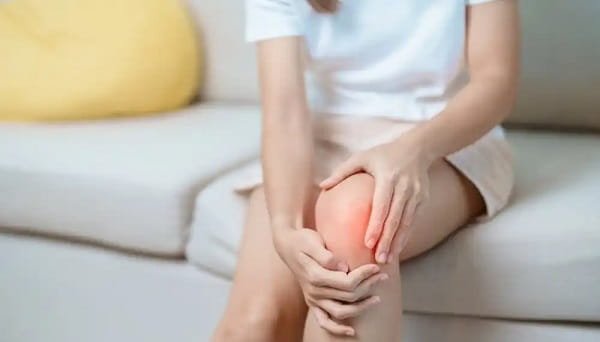
Why Does Knee Pain Become More Common After 40?
As people age, the tissues that support the knee joint naturally undergo gradual changes. Cartilage becomes thinner, muscles lose strength, and ligaments become less flexible. These changes can make the knees more vulnerable to pain and injury.
Other lifestyle factors, including prolonged sitting, lack of exercise, obesity, and repetitive stress from work or sports, can further increase the risk of knee problems.
Common Causes of Knee Pain After Age 40
1. Osteoarthritis
Osteoarthritis is the leading cause of knee pain in middle-aged and older adults. It occurs when the protective cartilage covering the ends of the bones gradually wears away.
Common symptoms include:
- Pain during movement
- Morning stiffness
- Swelling around the knee
- Grinding or cracking sensation
- Reduced flexibility
Although osteoarthritis cannot be reversed, its symptoms can often be managed with lifestyle changes, exercise, and medical treatment.
2. Excess Body Weight
Being overweight places additional pressure on the knee joints. Every extra kilogram of body weight increases the force exerted on the knees during walking, climbing stairs, and other daily activities.
Excess weight may:
- Accelerate cartilage wear
- Increase inflammation
- Worsen existing arthritis
- Reduce mobility
Maintaining a healthy weight can significantly reduce stress on the knees.
3. Previous Knee Injuries
Old injuries can continue to affect knee health years later.
Examples include:
- Torn ligaments
- Meniscus injuries
- Knee fractures
- Sports injuries
Even after healing, these injuries may increase the risk of developing osteoarthritis or chronic knee pain later in life.
4. Weak Muscles Around the Knee
Strong muscles help stabilize and protect the knee joint. Weakness in the quadriceps, hamstrings, and hip muscles can place additional strain on the knees.
Regular strength-training exercises can improve joint stability and reduce pain.
5. Tendinitis
Tendinitis is inflammation or irritation of the tendons around the knee, often caused by repetitive movements.
It commonly affects people who:
- Walk or run frequently
- Climb stairs regularly
- Participate in sports involving jumping
- Perform repetitive physical work
Pain is usually felt during activity and improves with rest.
6. Bursitis
Bursae are small fluid-filled sacs that cushion the knee joint. Repeated kneeling, prolonged pressure, or injury can inflame these sacs, leading to bursitis.
Symptoms include:
- Swelling
- Tenderness
- Warmth around the knee
- Pain when kneeling
Most cases improve with rest, ice, and appropriate medical care.
7. Rheumatoid Arthritis
Unlike osteoarthritis, rheumatoid arthritis is an autoimmune disease in which the immune system mistakenly attacks healthy joint tissue.
Symptoms may include:
- Pain in both knees
- Joint swelling
- Morning stiffness lasting more than 30 minutes
- Fatigue
Early diagnosis and treatment are important to prevent joint damage.
8. Gout
Gout occurs when uric acid crystals build up inside the joints, causing sudden episodes of severe pain and inflammation.
Although the big toe is commonly affected, the knee can also become involved.
Symptoms include:
- Sudden intense pain
- Swelling
- Redness
- Warmth around the joint
Medical treatment can help manage gout and reduce future attacks.
9. Reduced Flexibility
As people age, muscles, tendons, and ligaments naturally lose flexibility.
Reduced flexibility can:
- Limit knee movement
- Increase muscle strain
- Raise the risk of injury
- Cause discomfort during daily activities
Regular stretching and mobility exercises may help maintain joint function.
10. Poor Posture and Repetitive Stress
Daily habits can contribute to knee pain over time.
Examples include:
- Standing for long periods
- Frequent squatting
- Improper lifting techniques
- Wearing unsupportive footwear
- Poor walking or running posture
Correcting these habits can help reduce unnecessary stress on the knee joints.
Symptoms That Require Medical Attention
While mild knee discomfort often improves with rest, some symptoms require prompt medical evaluation.
Consult a healthcare professional if you experience:
- Severe or persistent knee pain
- Significant swelling
- Inability to bear weight on the leg
- Knee locking or giving way
- Fever along with joint pain
- Redness and warmth around the knee
- Pain lasting more than a few weeks despite home care
Early diagnosis can improve treatment outcomes and prevent complications.
How to Prevent Knee Pain After 40
Healthy lifestyle habits can help protect the knees and reduce the risk of chronic pain.
Helpful preventive measures include:
- Maintain a healthy body weight.
- Exercise regularly with low-impact activities such as walking, swimming, or cycling.
- Strengthen the muscles around the knees and hips.
- Stretch before and after exercise.
- Wear supportive, well-fitting footwear.
- Avoid prolonged sitting and take movement breaks.
- Use proper techniques when lifting heavy objects.
- Eat a balanced diet rich in calcium, vitamin D, and protein to support bone and muscle health.
Treatment Options
Treatment depends on the underlying cause of knee pain.
Common approaches include:
- Rest and activity modification
- Ice packs to reduce pain and swelling
- Physical therapy
- Weight management
- Pain-relieving or anti-inflammatory medications prescribed by a healthcare professional
- Knee braces or supportive devices in selected cases
- Injections or surgery for severe joint damage when recommended by an orthopedic specialist
A personalized treatment plan provides the best results.
Conclusion
Knee pain after the age of 40 is often caused by natural age-related changes, but factors such as osteoarthritis, excess body weight, previous injuries, muscle weakness, inflammatory conditions, and repetitive stress also play important roles. While occasional discomfort may be manageable with lifestyle adjustments, persistent or severe knee pain should never be ignored. Maintaining a healthy weight, staying physically active, strengthening the muscles around the knee, and seeking timely medical advice can help reduce pain, preserve joint function, and improve overall quality of life. Early intervention remains one of the most effective ways to keep the knees healthy and mobile for years to come.