 By Ramesh Sharma
 Tawang is one of the most beautiful high-altitude destinations in Northeast India. Located in Arunachal Pradesh, it is known for snowy mountains, peaceful monasteries, blue lakes, winding roads, Buddhist culture, prayer flags, army history, and dramatic Himalayan views. The place is also spiritually important because Tawang is the birthplace of the sixth Dalai Lama and a major centre of the Gelugpa Buddhist tradition. The famous Tawang Monastery is the main attraction here and is described by the district portal as the most popular monastery in Arunachal Pradesh.
Best Time to Visit Tawang
The best time to visit Tawang is generally from March to June and September to October. These months offer better weather, clearer roads, pleasant sightseeing conditions, and good chances to explore Tawang Monastery, Sela Pass, Nuranang Falls, Madhuri Lake, Bum La Pass, and local villages comfortably. Tawang Tourism says the broader summer travel window is between March and October, but it also advises avoiding the monsoon months because road and weather conditions can become difficult.
For most first-time travellers, April, May, June, September, and October are the safest and most comfortable months. If you want snow, then December to February can be attractive, but winter travel needs flexibility because roads may close after heavy snowfall.
Tawang in Spring: March to April
March and April are good months for travellers who want cold weather, fresh mountain views, and a peaceful start to the travel season. Early March is also culturally special because the Monpa community celebrates Losar, and Tawang Tourism mentions this as a colourful time in the town.
The weather remains cold, especially in the morning and evening, but it is usually more manageable than peak winter. Snow may still be visible around higher areas such as Sela Pass, depending on the year’s snowfall. This is a good time for Tawang Monastery, local markets, war memorial visits, short sightseeing, and photography.
Tawang in Summer: May to June
May and June are among the best months to visit Tawang. The weather becomes more comfortable, roads are generally more active, and sightseeing becomes easier. Families, couples, photographers, and first-time visitors usually prefer this period because it gives a good balance of cool weather and better movement.
During these months, you can visit Tawang Monastery, Giant Buddha Statue, Tawang War Memorial, Urgelling Monastery, Nuranang Falls, Sela Pass, Jaswant Garh, Madhuri Lake, Pankang Teng Tso Lake, and local viewpoints. Tawang itself is located at around 3,500 metres above sea level, so even in summer, the air can feel cold and sharp.
Tawang in Monsoon: July to September
Monsoon is not the best time to visit Tawang. The region becomes greener and waterfalls look beautiful, but travel becomes uncertain. Mountain roads can be affected by rain, fog, landslides, slush, and sudden delays. Tawang Tourism clearly advises avoiding the monsoon period between July and September.
This season is risky for travellers who want a fixed itinerary. It is also not ideal for senior citizens, children, or anyone uncomfortable with long road delays. If someone still plans during monsoon, they should keep extra buffer days, travel only with experienced local drivers, and check road conditions before leaving Bomdila, Dirang, or Tawang.
Tawang in Autumn: October to November
October is one of the finest months for Tawang. The rain usually reduces, the sky becomes clearer, and the mountain views look sharper. This is a very good time for photography, monastery visits, road trips, and peaceful sightseeing. The weather is cold but not as harsh as winter.
November is also beautiful, but it becomes colder. Some high-altitude routes may start seeing snow or icy patches depending on the weather. Travellers who want fewer crowds and crisp Himalayan views can choose October or early November, but they should carry heavy woollens.
Tawang in Winter: December to February
Winter in Tawang is magical but difficult. This is the best time for travellers who specifically want snowfall, frozen landscapes, snow-covered roads, and a proper Himalayan winter feel. Tawang receives snowfall in winter, and the tourism information warns that roads may close during heavy snowfall, so travellers should keep a flexible itinerary.
This season is not suitable for everyone. The cold can be intense, road journeys can become slow, and high-altitude places like Sela Pass and Bum La may become difficult or temporarily inaccessible. Winter is better for adventure lovers, snow photographers, and experienced travellers rather than casual family holidays.
Best Time Based on Travel Purpose
For a first-time Tawang trip, April to June and October are the best months. For snow, December to February is better, but road closures are possible. For pleasant weather, May and June are ideal. For clear mountain views, October is excellent. For cultural experience, early March around Losar can be special. For waterfalls, the post-rain period is beautiful, but monsoon travel should be planned carefully. For family travel, avoid peak monsoon and deep winter unless everyone is comfortable with cold and long road journeys.
Important Places to Visit in Tawang
Tawang Monastery should be the first major stop. It is also known as Gaden Namgyal Lhatse and sits at around 10,000 feet, making it one of the most striking monastery locations in the region.
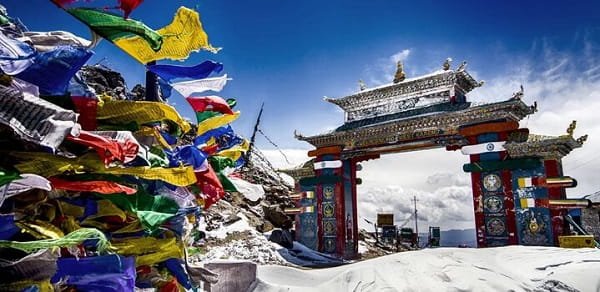
Sela Pass is another major highlight on the way to Tawang. The pass is known for snow views, prayer flags, the beautiful Sela Lake, and dramatic mountain scenery. Madhuri Lake, also known as Sangetsar Lake, is famous for its quiet beauty and high-altitude landscape. Nuranang Falls near Jang is one of the most scenic waterfalls in the area. Bum La Pass is close to the Indo-China border area and usually needs special permission.
Permit Details for Tawang
Indian tourists need an Inner Line Permit to enter Arunachal Pradesh. The official eILP portal says eILP is applicable for Indian citizens, while foreign nationals need to apply through the PAP/RAP process. It also mentions that tourist eILP is valid for a stay of up to 14 days.
Travellers should apply for the permit before the trip and carry valid ID proof. For certain sensitive areas such as Bum La Pass, additional local permission is usually arranged through local authorities or registered travel operators.
How to Reach Tawang
Most travellers reach Tawang by road from Assam. A common route is Guwahati – Tezpur/Bhalukpong – Bomdila – Dirang – Sela Pass – Tawang. This journey is long and should not be rushed. Many travellers break the trip at Bomdila or Dirang before reaching Tawang.
The road journey is part of the experience, but it can be tiring. The route crosses high-altitude areas, sharp bends, army zones, valleys, and mountain passes. A local experienced driver is always better than self-driving for first-time visitors.
Important Travel Tips for Tawang
Carry heavy woollens even outside winter because Tawang is cold due to its altitude. Keep gloves, socks, jackets, medicines, sunglasses, sunscreen, and comfortable shoes. Do not plan a tight itinerary because road conditions can change quickly. Keep at least one buffer day. Start early for sightseeing because daylight is precious in the mountains.
For a comfortable trip, plan at least 5 to 7 days from Guwahati, including travel days. A rushed 3-day plan is not ideal because the road distance is long and the altitude can make the journey tiring. Tawang is best enjoyed slowly, with enough time for monasteries, lakes, passes, waterfalls, local food, and quiet mountain moments.