 By Ramesh Sharma
 Meghalaya is not a place you simply visit; it is a place you slowly feel. Clouds move like soft curtains over the hills, waterfalls fall from dramatic cliffs, villages look fresh after rain, and the roads often open into valleys full of mist. From Shillong’s calm charm to Cherrapunji’s wild beauty, from Dawki’s clear river to the living root bridges of Nongriat and Mawlynnong, every part of Meghalaya feels different in every season. That is why choosing the right time matters. The best time to visit Meghalaya depends on whether you want clear skies, strong waterfalls, peaceful trekking, monsoon drama, or a comfortable family holiday.
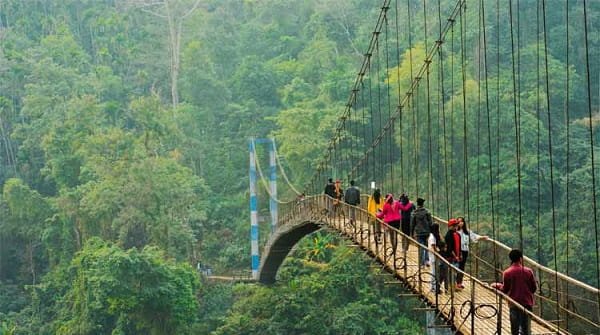
Best Time to Visit Meghalaya
The best time to visit Meghalaya is generally from October to February. This period covers the post-monsoon and winter months, when the weather is pleasant, visibility is better, and most sightseeing routes are easier to manage. Meghalaya Tourism also highlights post-monsoon and winter as good seasons for outdoor and adventure travel because winter is comparatively drier, making remote areas more accessible for trekkers and travellers.
October and November are especially beautiful because the land still carries the freshness of the monsoon. Waterfalls have good flow, forests look green, and the weather becomes more comfortable than the heavy rainy months. December to February is colder, but it gives clearer skies, peaceful roads, and better conditions for places like Dawki, Laitlum, Shillong Peak, Mawlynnong, and the living root bridges.
Meghalaya in Summer: March to May
Summer is a good time for people who want a relaxed and comfortable trip without extreme cold or heavy rain. From March to May, Meghalaya stays much cooler than many other Indian destinations. Shillong feels pleasant, Cherrapunji looks fresh, and short road trips become enjoyable. This season is suitable for families, first-time visitors, and travellers who want to cover major attractions without facing too much rain.
You can visit Ward’s Lake, Elephant Falls, Shillong Peak, Mawphlang Sacred Forest, Mawlynnong village, and Cherrapunji during this time. However, Meghalaya weather can change quickly. Even in summer, light rain or sudden mist is common, so carrying a light jacket and umbrella is always wise.
Meghalaya in Monsoon: June to September
Monsoon is the most dramatic season in Meghalaya. If you have seen photos of roaring waterfalls, deep green valleys, floating clouds, and rain-soaked roads, they are usually from this period. Cherrapunji and Mawsynram receive very heavy rainfall, and the entire region turns wild and cinematic.
This is the best time for waterfall lovers. Nohkalikai Falls, Seven Sisters Falls, Dainthlen Falls, Wei Sawdong Falls, and other seasonal waterfalls look powerful after strong rain. The hills become greener, the air feels fresh, and the scenery looks magical.
But monsoon is not the easiest season for travel. Roads may become slippery, visibility may drop, and some treks can become risky. Outdoor plans may get delayed because of sudden heavy rain. Travellers who love raw nature may enjoy this season, but families with kids, elderly travellers, and people planning tight itineraries may find it difficult.
Meghalaya in Post-Monsoon: October to November
Post-monsoon is one of the finest times to visit Meghalaya. The heavy rains reduce, the greenery remains, and waterfalls still look beautiful. The weather becomes balanced, making it easier to explore both popular and offbeat places.
This is a great season for photography, sightseeing, village walks, short treks, and road trips. Dawki, Mawlynnong, Cherrapunji, Shillong, Laitlum Canyon, and Nongriat are more comfortable to explore during this period. October and November also bring a softer beauty to Meghalaya, with misty mornings, clear afternoons, and cool evenings.
For travellers who want the best mix of waterfalls, greenery, and comfortable movement, post-monsoon is often the most satisfying choice.
Meghalaya in Winter: December to February
Winter in Meghalaya is calm, clear, and beautiful. Days are usually pleasant, while nights can become quite cold, especially in Shillong and higher areas. This is a very good time for trekking, camping, sightseeing, and visiting viewpoints.
Dawki is especially popular in winter because the Umngot River is usually clearer during this season, giving the famous glass-like river view where boats appear to float on air. Winter is also better for travellers who want cleaner skies, less rain, and smoother road movement.
The only thing to remember is that mornings and evenings can be chilly. Carry woollen clothes, especially if you are travelling with children or planning early morning sightseeing.
Best Time Based on Travel Purpose
For a normal sightseeing trip, October to February is the best time. For waterfalls, July to October gives the strongest views, though monsoon travel needs caution. For honeymoon couples, November to February is ideal because the weather feels romantic and peaceful. For Dawki river views, winter months are better. For trekking and root bridge trails, November to February is more comfortable. For budget travellers, early summer or monsoon may offer cheaper stays, but the weather must be checked carefully.
Travel Tips for Meghalaya
Carry rain protection in every season because rain can come suddenly. Wear comfortable shoes with good grip, especially for Cherrapunji, Nongriat, and waterfall trails. Book hotels early if travelling in peak winter or holiday season. Keep one buffer day in your itinerary because weather can change road plans. Also, respect local villages, avoid littering, and choose homestays or local guides wherever possible. Meghalaya is beautiful because its nature and culture are still deeply protected, and every traveller should help keep it that way.