 By Ramesh Sharma
 Physical Education is no longer limited to teaching sports activities in schools. Over the years, it has evolved into a diverse and dynamic field that offers numerous career opportunities across sports, fitness, health, recreation, wellness, coaching, sports management, and performance training. As awareness about physical health, fitness, and active lifestyles continues to grow, the demand for qualified physical education professionals is increasing across the world.
Students with qualifications in Physical Education, Sports Science, Exercise Science, Health Education, Fitness Training, and related disciplines can explore rewarding careers in educational institutions, sports organizations, fitness centers, healthcare facilities, corporate wellness programs, and professional sports teams.
Whether you are passionate about coaching athletes, promoting fitness, managing sports events, or helping individuals improve their health, physical education provides a wide range of exciting career pathways.
Why Choose a Career in Physical Education?
Physical education careers allow professionals to contribute to health, fitness, sports development, and overall well-being.
Key benefits include:
- Growing demand for fitness professionals
- Opportunities in sports and healthcare
- Diverse career pathways
- Ability to promote healthy lifestyles
- Career stability and growth
- Opportunities for entrepreneurship
The increasing focus on preventive healthcare and fitness continues to create new opportunities in this field.
1. Physical Education Teacher
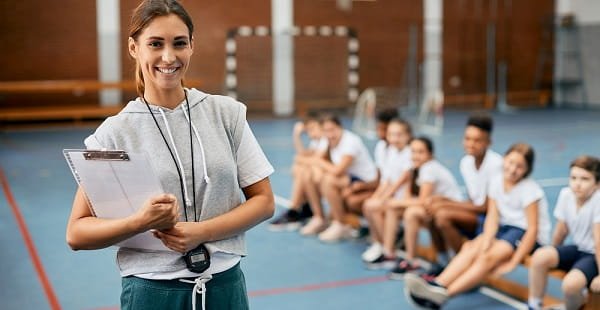
Physical Education Teachers help students develop physical fitness, sports skills, and healthy habits.
Key responsibilities include:
- Conducting physical education classes
- Teaching sports techniques
- Organizing athletic activities
- Promoting fitness awareness
- Monitoring student participation
This remains one of the most popular career options in the field.
2. Sports Coach
Sports Coaches train athletes and teams to improve performance and achieve competitive goals.
Responsibilities include:
- Designing training programs
- Developing skills and techniques
- Evaluating athlete performance
- Motivating team members
- Preparing athletes for competitions
Coaching opportunities exist across amateur and professional sports.
3. Fitness Trainer
Fitness Trainers help individuals achieve health and fitness goals through personalized exercise programs.
Their duties may include:
- Conducting fitness assessments
- Creating workout plans
- Monitoring progress
- Providing exercise guidance
- Promoting healthy lifestyles
The fitness industry continues to grow rapidly worldwide.
4. Strength and Conditioning Coach
Strength and Conditioning Coaches focus on improving athletic performance through specialized training programs.
Responsibilities include:
- Developing strength programs
- Enhancing athletic performance
- Preventing injuries
- Monitoring physical development
- Supporting sports teams
Professional sports organizations increasingly seek these specialists.
5. Sports Scientist
Sports Scientists apply scientific principles to improve athletic performance and training outcomes.
Key responsibilities include:
- Analyzing performance data
- Conducting research studies
- Supporting athlete development
- Evaluating training methods
- Optimizing performance strategies
This field combines science with sports performance.
6. Sports Manager
Sports Managers oversee the business and administrative aspects of sports organizations and events.
Their work involves:
- Managing operations
- Organizing sports events
- Coordinating teams and staff
- Developing marketing strategies
- Handling budgets and sponsorships
Sports management offers strong career growth opportunities.
7. Exercise Physiologist
Exercise Physiologists study how physical activity affects the human body and develop fitness programs accordingly.
Responsibilities include:
- Conducting fitness evaluations
- Designing exercise interventions
- Supporting rehabilitation programs
- Monitoring physical performance
- Promoting health improvement
This role bridges fitness and healthcare.
8. Wellness Consultant
Wellness Consultants help individuals and organizations improve overall health and well-being.
Key duties include:
- Developing wellness programs
- Promoting healthy habits
- Conducting health assessments
- Supporting lifestyle improvements
- Providing fitness guidance
Corporate wellness programs have expanded demand for these professionals.
9. Sports Event Coordinator
Sports Event Coordinators plan and manage athletic competitions, tournaments, and sporting events.
Responsibilities may include:
- Organizing event logistics
- Coordinating participants
- Managing schedules
- Handling venue arrangements
- Supporting event operations
This role combines sports knowledge with organizational skills.
10. Personal Trainer
Personal Trainers work one-on-one with clients to improve fitness, strength, flexibility, and overall health.
Their responsibilities include:
- Creating personalized fitness plans
- Monitoring exercise techniques
- Motivating clients
- Tracking progress
- Providing health and fitness advice
Many professionals also establish independent fitness businesses.
11. Recreational Program Manager
Recreational Program Managers oversee community sports and recreational activities.
Responsibilities include:
- Planning recreational programs
- Managing facilities
- Coordinating activities
- Promoting participation
- Supporting community engagement
This career contributes to public health and recreation.
12. Sports Journalist and Content Creator
Sports enthusiasts with communication skills can build careers in media and content creation.
Career opportunities include:
- Sports reporting
- Sports writing
- Broadcasting
- Digital content creation
- Sports analysis
The growth of digital media has expanded opportunities in this area.
Industries Hiring Physical Education Professionals
Graduates can find opportunities in:
- Schools and colleges
- Sports academies
- Professional sports teams
- Fitness centers and gyms
- Healthcare organizations
- Sports management companies
- Recreation centers
- Government sports departments
- Corporate wellness programs
- Media and broadcasting organizations
The broad scope of physical education supports diverse employment opportunities.
Skills Required for Physical Education Careers
Professionals should develop:
- Leadership abilities
- Communication skills
- Coaching expertise
- Fitness knowledge
- Motivation and mentoring skills
- Organizational capabilities
- Problem-solving skills
- Team management abilities
Strong interpersonal skills are particularly important in this field.
Higher Education and Certification Options
Students can strengthen their qualifications through:
- Bachelor of Physical Education (B.P.Ed.)
- Master of Physical Education (M.P.Ed.)
- Sports Science Programs
- Fitness Trainer Certifications
- Strength and Conditioning Certifications
- Sports Management Courses
Additional certifications often improve employability and career advancement.
Career Growth Opportunities
Physical education professionals can advance into positions such as:
- Senior Coach
- Sports Director
- Fitness Center Manager
- Sports Science Consultant
- Athletic Performance Director
- Wellness Program Director
- Sports Organization Executive
Experience and specialization significantly influence career progression.
Future Scope of Physical Education Careers
The future of physical education remains highly promising due to increasing emphasis on:
- Health and fitness awareness
- Preventive healthcare
- Sports development programs
- Athletic performance enhancement
- Corporate wellness initiatives
- Recreational activities
- Sports technology integration
As people prioritize healthier lifestyles, demand for qualified professionals is expected to continue growing.
Conclusion
Physical education offers far more career opportunities than traditional teaching roles. From Sports Coach and Fitness Trainer to Sports Scientist, Sports Manager, and Wellness Consultant, the field provides diverse pathways across sports, health, fitness, and recreation sectors. As awareness about physical well-being continues to rise, professionals with expertise in physical education will play an increasingly important role in promoting healthier communities and enhancing athletic performance. By developing specialized skills and pursuing relevant certifications, students can build rewarding and impactful careers in this dynamic field.
FAQs
Q: What are the best career options in physical education?
A: Physical Education Teacher, Sports Coach, Fitness Trainer, Sports Scientist, Sports Manager, and Exercise Physiologist are among the top career options.
Q: Is physical education a good career for the future?
A: Yes. Growing awareness of health, fitness, wellness, and sports development is increasing demand for physical education professionals.
Q: Which industries hire physical education graduates?
A: Schools, sports academies, fitness centers, healthcare organizations, sports teams, recreation facilities, and wellness companies regularly hire these professionals.
Q: Can physical education graduates work outside teaching?
A: Yes. Career opportunities exist in coaching, fitness training, sports management, sports science, wellness consulting, event management, and media.
Q: What skills are important for physical education careers?
A: Leadership, communication, coaching, fitness expertise, motivation, organization, and team management skills are highly valuable.
Q: Do physical education careers require certifications?
A: Many specialized roles, such as fitness training and strength coaching, benefit from professional certifications that enhance career prospects.