 By Ramesh Sharma
 Kedarnath is not just a Himalayan destination; it is one of the most sacred journeys for devotees of Lord Shiva. The ancient Kedarnath Temple, dedicated to Mahadev, stands high in the Garhwal Himalayas, surrounded by snow-covered peaks, cold winds, stone paths, and the powerful silence of the mountains. For many pilgrims, reaching Kedarnath is not only about travel, but about faith, surrender, and seeking the blessings of Shiva. Unlike normal tourist places, Kedarnath cannot be visited throughout the year. The temple opens only for a limited season, and the timing of your trip decides how comfortable, safe, and peaceful your yatra will be.
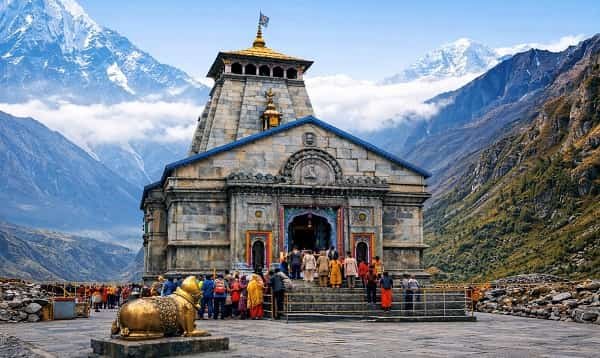
Best Time to Visit Kedarnath
The best time to visit Kedarnath is generally May to June and September to October. Uttarakhand Tourism mentions May to October as the main visiting period, while the winter months remain closed due to heavy snowfall.
May and June are ideal for pilgrims who want to visit soon after the temple opens. The yatra atmosphere is lively, facilities are active, and the route from Gaurikund to Kedarnath becomes busy with devotees. September and October are also excellent because the monsoon starts reducing, the sky becomes clearer, and the crowd is usually more manageable than peak summer.
For 2026, the official Uttarakhand Tourist Care portal lists 22 April 2026 as the Kedarnath Dham kapat opening date. However, the most comfortable months for most visitors are still May, June, September, and early October.
Kedarnath in May and June
May and June are the most popular months for Kedarnath Yatra. The temple is open, the trekking route is active, and services like ponies, palkis, food stalls, accommodation, and helicopter facilities are more available. The weather remains cold, especially in the morning and evening, but it is still manageable compared to winter.
This period is good for first-time pilgrims, families, and travellers who want to experience the full spiritual energy of the Char Dham season. The only drawback is the heavy crowd. Hotel prices may rise, queues can become long, and helicopter tickets or stays may get booked quickly. Anyone planning during this period should book early and keep enough time in the itinerary.
Kedarnath in Monsoon: July to August
July and August are not the best months to visit Kedarnath. The temple may remain open, but the journey becomes more uncertain because of heavy rain in the Himalayan region. Landslides, slippery paths, roadblocks, fog, and sudden delays can affect the yatra.
The valleys may look green and fresh during this season, but Kedarnath is a high-altitude pilgrimage, not a simple rainy-season holiday. Senior citizens, children, heart patients, asthma patients, and people with knee or breathing problems should avoid this period if possible. If someone still plans the yatra during monsoon, they must check weather alerts, road conditions, and official updates before starting the journey.
Kedarnath in September and October
September and October are among the best months for a more peaceful Kedarnath Yatra. After the monsoon, the weather slowly becomes clearer, the mountain views look sharper, and the crowd is usually less than May and June. The trek also feels more comfortable than the rainy months.
This season is very good for pilgrims who want a calmer darshan experience. The temple surroundings, valleys, and snow peaks look beautiful after the rains. September is usually more balanced, while October becomes colder, especially during early morning and night. Warm clothes are necessary during this time.
Kedarnath in Winter: November to April
Winter is not suitable for visiting the main Kedarnath temple because the region receives heavy snowfall and the shrine remains closed. Uttarakhand Tourism also notes that the town remains closed in winter due to heavy snow.
During winter, the worship of Lord Kedarnath continues at the winter seat in Ukhimath. Normal pilgrims cannot visit the main shrine during deep winter because the route becomes snow-covered and dangerous. This is why Kedarnath Yatra is always planned according to the temple opening and closing schedule.
Best Time Based on Travel Purpose
For a first-time Kedarnath Yatra, May, June, September, and early October are the best months. For senior citizens, September is often better because the crowd is lighter and the weather is more stable. For snow views around the upper regions, May can be a beautiful time. For peaceful darshan, September and October are better than peak summer. For avoiding risk, July and August should generally be avoided because of rain and landslide chances.
Important Travel Tips for Kedarnath
Complete your Char Dham registration before travelling, as the Uttarakhand Tourist Care portal is used for online yatra registration. Carry warm clothes, rain protection, walking shoes, ID proof, basic medicines, and a small backpack. Start the trek early from Gaurikund and walk slowly. Do not rush, because the altitude and long route can make the journey tiring.
If you have heart problems, breathing issues, knee pain, or any serious health condition, consult a doctor before planning the yatra. Kedarnath is a divine journey, but the mountains demand patience, preparation, and respect. The best time to visit is when the weather supports your body and your mind is ready for Lord Shiva’s peaceful and powerful presence.