 By Ramesh Sharma
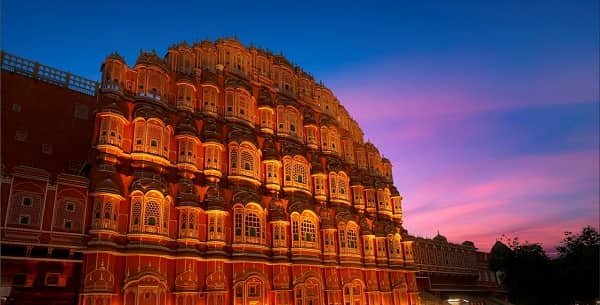
 Jaipur is not just the capital of Rajasthan; it is one of India’s most colourful heritage cities. Known as the Pink City, Jaipur is famous for royal forts, grand palaces, old bazaars, pink sandstone buildings, traditional jewellery, block prints, blue pottery, Rajasthani food, and a strong Rajput cultural identity. The city carries a beautiful mix of history and everyday life. One moment you are looking at the honeycomb-style Hawa Mahal, and the next you are walking through busy markets filled with lac bangles, mojari shoes, handicrafts, and colourful textiles. Rajasthan Tourism lists Jaipur’s major attractions such as Hawa Mahal, Amer Palace, City Palace, Jantar Mantar, Jal Mahal, Albert Hall Museum, Nahargarh Fort, Jaigarh Fort, and Birla Temple, making it one of the most complete city breaks in Rajasthan.
Best Time to Visit Jaipur
The best time to visit Jaipur is from October to March. This is the most comfortable period for sightseeing, fort visits, shopping, photography, food walks, and heritage tours. Jaipur has many open-air attractions, so pleasant weather makes a big difference. During these months, you can explore Amer Fort, City Palace, Hawa Mahal, Jantar Mantar, Nahargarh Fort, Jaigarh Fort, Jal Mahal, and the old city markets without facing harsh heat.
For most first-time travellers, November to February is the best window. Days are pleasant, evenings are cool, and the city feels lively because this is also the main tourist season. October and March are also good, but they can feel slightly warmer during the afternoon.
Jaipur in Winter: November to February
Winter is the finest season to visit Jaipur. The weather remains cool and comfortable, which makes it ideal for full-day sightseeing. You can start the morning with Amer Fort, visit Jal Mahal on the way back, explore City Palace and Jantar Mantar in the afternoon, and then enjoy Hawa Mahal, Johari Bazaar, Bapu Bazaar, or a rooftop dinner in the evening.
Amer Palace, also known as Amer Fort or Amber Fort, is one of Jaipur’s top attractions and sits on a small hill around 11 km from the main city. Rajasthan Tourism describes it as an extensive palace complex built with pale yellow and pink sandstone along with white marble. Winter is the best season to explore such large fort areas because you need to walk a lot.
The only drawback is crowd. December, New Year period, long weekends, and festival dates can bring heavy tourist rush. Hotels near MI Road, C-Scheme, old city, Amer Road, and heritage properties may become expensive, so early booking is better.
Jaipur in Spring: March
March is still a good month to visit Jaipur, especially in the first half. The weather starts becoming warmer, but mornings and evenings remain pleasant. This is a good time for travellers who want a little less crowd than peak winter but still want decent sightseeing conditions.
March is suitable for visiting City Palace, Hawa Mahal, Albert Hall Museum, Patrika Gate, Birla Mandir, Galta Ji Temple, and local markets. City Palace is located within the walled city and is known for its blend of Mughal and Rajput architecture. Rajasthan Tourism notes that the palace complex includes Mubarak Mahal and Maharani’s Palace, with museum displays of royal costumes, textiles, and Rajput weaponry.
Jaipur in Summer: April to June
Summer is not the best time to visit Jaipur. April, May, and June can become very hot, especially in the afternoon. Since many Jaipur attractions are forts, palaces, courtyards, markets, and open monuments, sightseeing can become tiring in strong heat.
If you have to travel in summer, start early. Visit Amer Fort, Hawa Mahal, and City Palace in the morning. Keep museums, cafés, shopping, hotel rest, and indoor activities for the afternoon. Evening is better for Nahargarh sunset, Jal Mahal views, Birla Mandir, or local food. Summer may offer cheaper hotel rates, but it is not ideal for senior citizens, small children, or travellers who cannot tolerate heat.
Jaipur in Monsoon: July to September
Monsoon brings some relief from the summer heat. The weather becomes slightly better, the Aravalli hills around the city look fresher, and places like Nahargarh Fort, Jaigarh Fort, Jal Mahal, and Amer become more scenic after rain. This season can be good for photography, budget travel, and short weekend trips.
However, rain can disturb outdoor sightseeing. Some roads may become crowded or messy, and humidity can make walking in the old city uncomfortable. Still, Jaipur’s monsoon is usually easier to manage than hill-station monsoons. September is often better than July and August because the weather starts improving and the tourist crowd is still manageable.
Jaipur in Autumn: October
October is one of the best months to visit Jaipur. The harsh summer has passed, the weather starts becoming comfortable, and the main tourist season slowly begins. This is a very good month for sightseeing, shopping, photography, and short Rajasthan itineraries.
October is also good if you want to avoid the heaviest December-January crowd. Daytime can still feel warm, so morning and evening sightseeing is better. But overall, it is far more comfortable than summer.
Best Time Based on Travel Purpose
For a first-time Jaipur trip, November to February is best. For family holidays, October to March is the safest and most comfortable period. For honeymoon couples, November to February is ideal because the weather feels pleasant and evenings are romantic. For photography, October to March gives better light, cleaner skies, and comfortable outdoor movement. For budget travellers, July to September and April to June may offer cheaper hotels, but the weather is less comfortable. For shopping in Johari Bazaar, Bapu Bazaar, Tripolia Bazaar, and Chandpole Bazaar, winter evenings are the most enjoyable.
Important Places to Visit in Jaipur
Hawa Mahal is Jaipur’s most iconic landmark. Rajasthan Tourism describes it as a five-storey honeycomb-like building with many jharokhas, built so royal women could observe the busy streets without being seen. Amer Fort is best for royal architecture, courtyards, Sheesh Mahal, and hill views. City Palace is ideal for museum lovers and royal history. Jantar Mantar is important for astronomy and is listed by Rajasthan Tourism with instruments used for measuring time and tracking celestial bodies.
Other important places include Jal Mahal, Nahargarh Fort, Jaigarh Fort, Albert Hall Museum, Birla Mandir, Patrika Gate, Gaitore Ki Chhatriyan, Galta Ji Temple, Panna Meena Ka Kund, and local markets.
Important Travel Tips for Jaipur
Wear comfortable footwear because Jaipur sightseeing involves a lot of walking. Carry sunglasses, sunscreen, and a water bottle, even in winter. Start early for Amer Fort and City Palace to avoid crowd and heat. Keep Hawa Mahal for early morning photography because the light is better from the front side. For shopping, keep enough time for Johari Bazaar, Bapu Bazaar, Tripolia Bazaar, and Chandpole Bazaar.
A 2 to 3 day trip is enough for the main Jaipur attractions, but 4 days are better if you want a relaxed pace with shopping, food, forts, museums, and nearby places. Jaipur should not be rushed. Its real charm is in its pink walls, palace gates, old bazaars, royal stories, sunset forts, and the warm colours of Rajasthan.