 By Ramesh Sharma
 Wildlife biology and conservation are among the most rewarding career fields for individuals who are passionate about animals, ecosystems, biodiversity, and environmental protection. As habitat loss, climate change, pollution, and human activities continue to threaten wildlife populations worldwide, the need for skilled conservation professionals has never been greater.
Wildlife biologists and conservation experts play a vital role in studying animal behavior, protecting endangered species, managing natural habitats, conducting ecological research, and developing strategies that support sustainable ecosystems. These professionals work with governments, research institutions, conservation organizations, environmental agencies, wildlife reserves, and international organizations dedicated to preserving biodiversity.
For students with backgrounds in Biology, Zoology, Environmental Science, Wildlife Science, Biotechnology, Ecology, and Life Sciences, wildlife conservation offers diverse career opportunities that combine scientific research with meaningful environmental impact.
Why Choose a Career in Wildlife Biology and Conservation?
Wildlife conservation careers allow professionals to contribute directly to protecting nature and preserving biodiversity for future generations.
Key benefits include:
- Opportunities to work with wildlife and ecosystems
- Contribution to environmental protection
- Diverse career pathways
- Research and fieldwork opportunities
- Global employment prospects
- Long-term relevance and growth
As environmental awareness increases worldwide, conservation-related professions continue to expand.
1. Wildlife Biologist
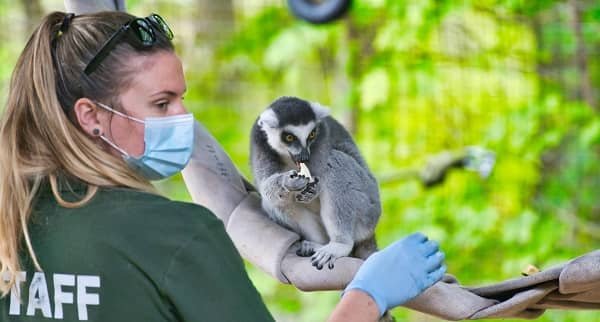
Wildlife Biologists study animal populations, habitats, and behaviors to support conservation efforts.
Key responsibilities include:
- Conducting wildlife surveys
- Monitoring animal populations
- Analyzing ecological data
- Studying animal behavior
- Supporting conservation programs
This is one of the most recognized careers in wildlife science.
2. Conservation Scientist
Conservation Scientists develop strategies to protect natural resources and biodiversity.
Responsibilities include:
- Managing conservation projects
- Conducting environmental assessments
- Developing sustainability plans
- Supporting ecosystem restoration
- Monitoring environmental impacts
Their work helps balance environmental protection with human development.
3. Wildlife Research Scientist
Research Scientists investigate wildlife ecology, species interactions, and environmental challenges.
Their duties may include:
- Designing research studies
- Collecting field data
- Conducting scientific analysis
- Publishing research findings
- Supporting conservation initiatives
Research careers provide opportunities to contribute to scientific knowledge.
4. Wildlife Conservation Officer
Wildlife Conservation Officers help enforce laws and regulations related to wildlife protection.
Responsibilities include:
- Monitoring protected areas
- Preventing illegal activities
- Conducting inspections
- Supporting conservation policies
- Educating local communities
This role combines conservation work with environmental law enforcement.
5. Ecologist
Ecologists study relationships between organisms and their environments.
Key responsibilities include:
- Ecosystem analysis
- Biodiversity assessments
- Environmental monitoring
- Habitat evaluation
- Scientific reporting
Ecologists play a critical role in conservation planning and environmental management.
6. Wildlife Rehabilitator
Wildlife Rehabilitators care for injured, orphaned, or displaced animals and prepare them for release into their natural habitats.
Their work involves:
- Animal treatment and care
- Rehabilitation planning
- Monitoring recovery progress
- Supporting conservation programs
- Educating the public
This career is ideal for individuals who enjoy hands-on work with animals.
7. Marine Wildlife Biologist
Marine Wildlife Biologists focus on aquatic animals and marine ecosystems.
Responsibilities include:
- Studying marine species
- Monitoring ocean habitats
- Conducting conservation research
- Supporting marine protection programs
- Evaluating environmental impacts
The growing focus on ocean conservation has increased opportunities in this field.
8. Environmental Consultant
Environmental Consultants advise organizations on wildlife protection, biodiversity conservation, and environmental compliance.
Key duties include:
- Conducting environmental assessments
- Evaluating project impacts
- Recommending conservation measures
- Supporting regulatory compliance
- Managing sustainability initiatives
Consulting offers strong career growth and diverse project exposure.
9. Wildlife Forensic Specialist
Wildlife Forensic Specialists investigate crimes involving endangered species, illegal hunting, and wildlife trafficking.
Responsibilities may include:
- Collecting biological evidence
- Conducting genetic testing
- Supporting investigations
- Identifying species
- Assisting legal proceedings
This specialized field combines biology with law enforcement.
10. Conservation Program Manager
Conservation Program Managers oversee large-scale wildlife and environmental projects.
Their responsibilities include:
- Managing conservation teams
- Coordinating field activities
- Monitoring project outcomes
- Managing budgets
- Building partnerships
Leadership and organizational skills are essential for this role.
Organizations Hiring Wildlife and Conservation Professionals
Wildlife biology graduates can find opportunities in:
- Government wildlife departments
- National parks and reserves
- Conservation organizations
- Environmental consulting firms
- Research institutions
- Zoological parks
- International conservation agencies
- Non-governmental organizations
- Universities and academic centers
- Environmental protection agencies
The sector offers opportunities at local, national, and international levels.
Skills Required for Wildlife Conservation Careers
Professionals should develop:
- Field research techniques
- Wildlife identification skills
- Ecological analysis capabilities
- Data collection and interpretation
- Scientific writing skills
- Communication abilities
- Problem-solving skills
- Project management expertise
Strong observational and analytical abilities are particularly valuable.
Higher Education and Certification Options
Students can strengthen their qualifications through:
- Master’s in Wildlife Biology
- Master’s in Conservation Science
- Master’s in Ecology
- Master’s in Environmental Science
- Wildlife Management Programs
- Conservation Certification Courses
Advanced education often improves access to research and leadership positions.
Career Growth Opportunities
Wildlife professionals can advance into positions such as:
- Senior Wildlife Biologist
- Research Director
- Conservation Manager
- Environmental Policy Advisor
- Biodiversity Specialist
- Conservation Consultant
- Program Director
Experience and specialization can significantly enhance career progression.
Future Scope of Wildlife Biology and Conservation
The future of wildlife conservation remains highly promising due to increasing focus on:
- Biodiversity protection
- Climate change adaptation
- Habitat restoration
- Wildlife monitoring technologies
- Sustainable ecosystem management
- Environmental policy development
- Global conservation initiatives
As environmental challenges become more complex, skilled wildlife professionals will remain essential to conservation efforts worldwide.
Conclusion
Wildlife biology and conservation offer meaningful and impactful career opportunities for individuals who are passionate about protecting nature and preserving biodiversity. From Wildlife Biologist and Ecologist to Conservation Scientist and Wildlife Forensic Specialist, the field provides diverse pathways across research, environmental management, conservation planning, and policy development. As governments, organizations, and communities continue prioritizing environmental sustainability, demand for qualified conservation professionals is expected to grow. By developing scientific expertise, field research skills, and environmental knowledge, students can build rewarding careers that contribute to the protection of wildlife and natural ecosystems.
FAQs
Q: What are the best wildlife biology career options?
A: Wildlife Biologist, Conservation Scientist, Ecologist, Wildlife Research Scientist, and Conservation Program Manager are among the top career choices.
Q: Is wildlife conservation a good career for the future?
A: Yes. Growing concerns about biodiversity loss, climate change, and environmental sustainability are increasing demand for conservation professionals.
Q: Which organizations hire wildlife conservation professionals?
A: Government wildlife departments, conservation organizations, research institutions, environmental consulting firms, national parks, and international agencies frequently hire these professionals.
Q: Do wildlife biology careers involve fieldwork?
A: Yes. Many wildlife biology careers include field surveys, ecological monitoring, habitat assessments, and wildlife research activities.
Q: Can Biology students pursue wildlife conservation careers?
A: Yes. Biology provides a strong foundation for careers in wildlife biology, conservation science, ecology, and environmental management.
Q: What skills are important for wildlife biology careers?
A: Field research, ecological analysis, data interpretation, wildlife identification, communication, scientific writing, and project management skills are highly valuable.