 By Ramesh Sharma
 Forensic Science is a fascinating field that combines biology, chemistry, genetics, technology, and criminal investigation to help solve crimes and support the justice system. By applying scientific methods to legal investigations, forensic professionals analyze evidence, identify suspects, determine causes of death, and assist law enforcement agencies in uncovering the truth behind criminal cases.
For Biology students, forensic science offers exciting career opportunities that go beyond traditional healthcare and research roles. A strong understanding of genetics, microbiology, molecular biology, human anatomy, and laboratory techniques provides an excellent foundation for success in forensic careers. As crime investigation methods become increasingly sophisticated, the demand for trained forensic professionals continues to grow.
Whether you are interested in laboratory analysis, crime scene investigation, forensic genetics, toxicology, or digital evidence, forensic science provides a wide range of rewarding career paths.
Why Choose a Career in Forensic Science?
Forensic professionals play a critical role in criminal investigations and legal proceedings. Their work helps ensure that scientific evidence supports fair and accurate justice.
Benefits of pursuing a forensic science career include:
- Opportunities to contribute to criminal investigations
- Strong demand for scientific expertise
- Diverse specialization options
- Exposure to advanced laboratory technologies
- Career opportunities in government and private sectors
- Continuous learning and professional growth
The field combines scientific knowledge with real-world problem-solving and investigative work.
1. Forensic Scientist
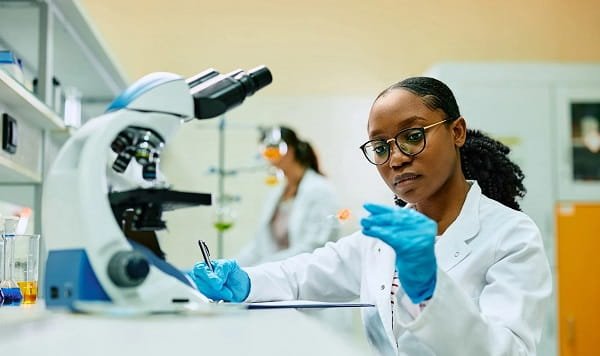
Forensic Scientists analyze physical evidence collected from crime scenes and provide scientific findings to investigators.
Key responsibilities include:
- Examining biological samples
- Conducting laboratory tests
- Preparing forensic reports
- Supporting criminal investigations
- Presenting evidence findings
This is one of the most recognized careers in forensic science.
2. Forensic Biology Specialist
Forensic Biologists focus on analyzing biological evidence such as blood, saliva, hair, tissues, and bodily fluids.
Responsibilities include:
- DNA analysis
- Biological sample testing
- Evidence interpretation
- Laboratory investigations
- Supporting legal proceedings
Biology graduates are particularly well-suited for this specialization.
3. DNA Analyst
DNA Analysts use genetic testing techniques to identify individuals and establish biological relationships.
Their duties may include:
- DNA extraction and profiling
- Genetic data analysis
- Evidence comparison
- Laboratory documentation
- Court-related reporting
DNA analysis has become one of the most important tools in modern forensic investigations.
4. Crime Scene Investigator
Crime Scene Investigators collect, document, and preserve evidence from crime scenes.
Responsibilities include:
- Photographing crime scenes
- Collecting biological evidence
- Recording observations
- Preserving samples
- Assisting investigative teams
This role combines fieldwork with scientific investigation.
5. Forensic Toxicologist
Forensic Toxicologists analyze biological samples to detect drugs, alcohol, poisons, and toxic substances.
Key responsibilities include:
- Conducting toxicology tests
- Interpreting laboratory results
- Supporting criminal investigations
- Assisting medical examiners
- Preparing scientific reports
This specialization is essential in many criminal and legal cases.
6. Forensic Laboratory Analyst
Forensic Laboratory Analysts perform scientific testing on evidence collected during investigations.
Their work involves:
- Sample analysis
- Laboratory documentation
- Quality control procedures
- Evidence evaluation
- Scientific reporting
Laboratory analysts support multiple areas of forensic science.
7. Forensic Genetics Specialist
Forensic Genetics Specialists apply genetic science to criminal investigations and legal matters.
Responsibilities include:
- Genetic profiling
- DNA database management
- Relationship analysis
- Advanced genetic testing
- Research support
Advancements in genetic technology continue to expand opportunities in this field.
8. Forensic Research Scientist
Research Scientists develop new methods and technologies to improve forensic investigations.
Key duties include:
- Conducting scientific studies
- Developing laboratory techniques
- Evaluating emerging technologies
- Publishing research findings
- Supporting innovation initiatives
Research careers are ideal for individuals interested in scientific advancement.
9. Wildlife Forensic Specialist
Wildlife Forensic Specialists investigate crimes involving animals, endangered species, and environmental violations.
Responsibilities may include:
- Species identification
- Genetic testing
- Wildlife crime investigations
- Conservation support
- Evidence analysis
This niche specialization combines biology with environmental protection.
10. Forensic Consultant
Forensic Consultants provide expert scientific advice to legal teams, law enforcement agencies, and private organizations.
Their responsibilities include:
- Reviewing forensic evidence
- Conducting independent evaluations
- Providing expert testimony
- Supporting investigations
- Advising on scientific matters
Experienced professionals often transition into consulting roles.
Organizations Hiring Forensic Science Professionals
Forensic professionals can find opportunities in:
- Government forensic laboratories
- Police departments
- Criminal investigation agencies
- Judicial and legal institutions
- Research organizations
- Private forensic laboratories
- Wildlife protection agencies
- Academic institutions
- Security organizations
- Environmental investigation agencies
The public sector remains one of the largest employers in this field.
Skills Required for Forensic Science Careers
Successful forensic professionals should develop:
- Laboratory techniques
- DNA analysis skills
- Attention to detail
- Scientific research capabilities
- Critical thinking
- Problem-solving abilities
- Technical documentation expertise
- Communication skills
Accuracy and objectivity are essential in forensic investigations.
Higher Education and Certifications
Biology students can strengthen their career prospects through:
- Master’s in Forensic Science
- Master’s in Forensic Biology
- Master’s in Genetics
- Master’s in Biotechnology
- DNA Analysis Certifications
- Forensic Laboratory Training Programs
Advanced qualifications often support specialization and career advancement.
Career Growth Opportunities
Forensic science professionals can progress into positions such as:
- Senior Forensic Scientist
- Laboratory Supervisor
- Forensic Research Director
- DNA Laboratory Manager
- Forensic Consultant
- Forensic Program Manager
- Chief Forensic Scientist
Continuous learning and specialization can significantly enhance career growth.
Future Scope of Forensic Science Careers
The future of forensic science remains highly promising due to developments in:
- Advanced DNA analysis
- Forensic genetics
- Artificial intelligence in investigations
- Digital evidence technologies
- Crime scene analytics
- Wildlife forensics
- Molecular forensic techniques
As criminal investigations become more technology-driven, forensic science professionals will remain essential to modern law enforcement and justice systems.
Conclusion
Forensic science offers Biology students an exciting opportunity to apply scientific knowledge in criminal investigations, legal proceedings, and public safety initiatives. From Forensic Biologist and DNA Analyst to Forensic Toxicologist and Crime Scene Investigator, the field provides diverse career options that combine laboratory expertise with investigative work. As advancements in genetics, biotechnology, and forensic technologies continue to transform the field, demand for qualified professionals is expected to remain strong. By developing scientific, analytical, and technical skills, Biology students can build rewarding careers that contribute to justice, public safety, and scientific innovation.
FAQs
Q: Can Biology students pursue forensic science careers?
A: Yes. Biology students are well-suited for forensic science because of their knowledge of genetics, molecular biology, microbiology, and laboratory techniques.
Q: What is the best forensic science career for Biology graduates?
A: Forensic Biologist, DNA Analyst, Forensic Scientist, Forensic Toxicologist, and Forensic Genetics Specialist are among the most popular options.
Q: Is forensic science a good career for the future?
A: Yes. Advancements in DNA technology, forensic genetics, and crime investigation methods continue to increase demand for forensic professionals.
Q: Which organizations hire forensic science professionals?
A: Government forensic laboratories, police departments, research institutions, private forensic firms, wildlife agencies, and legal organizations frequently hire forensic experts.
Q: Do forensic science careers involve laboratory work?
A: Many forensic careers involve laboratory analysis, although some roles, such as Crime Scene Investigator, also include fieldwork and evidence collection.
Q: What skills are important for forensic science careers?
A: DNA analysis, laboratory techniques, critical thinking, attention to detail, scientific research, technical writing, and problem-solving skills are highly valuable.