 By Ramesh Sharma
 Long-term success is rarely the result of a single breakthrough, lucky opportunity, or moment of inspiration. More often, it is the outcome of small actions repeated consistently over time. While goals provide direction, habits determine the daily behaviors that move you toward those goals. The habits you practice every day influence your productivity, health, finances, relationships, and personal growth.
Many people focus heavily on setting ambitious goals but overlook the systems and routines needed to achieve them. As a result, they may start strong but struggle to maintain progress. Building habits that support long-term success allows you to create lasting change and continue moving forward even when motivation fades. By focusing on consistency rather than perfection, you can develop habits that lead to meaningful and sustainable results.
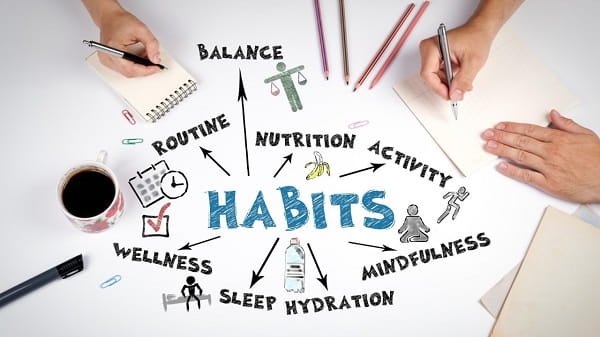
Understand the Power of Habits
Habits are behaviors that become automatic through repetition. Because habits require less mental effort over time, they can significantly influence your daily actions and long-term outcomes.
Positive habits can help you:
- Improve productivity
- Strengthen discipline
- Maintain better health
- Manage time effectively
- Achieve financial goals
- Continue learning and growing
Since habits operate consistently in the background, even small behaviors can create significant results over months and years.
Start With a Clear Vision
Before building new habits, it is important to understand what success means to you. Different people have different goals, values, and priorities.
Ask yourself:
- What do I want to achieve in the future?
- What areas of my life need improvement?
- What kind of person do I want to become?
- Which habits would support that vision?
A clear vision helps ensure that your habits align with your long-term objectives.
Focus on Small Actions
One of the biggest mistakes people make is trying to change everything at once. Large and dramatic changes often feel exciting initially but can become difficult to maintain.
Instead:
- Start with manageable actions.
- Build one habit at a time.
- Focus on consistency.
For example:
- Read five pages daily instead of trying to finish a book every week.
- Exercise for fifteen minutes rather than committing to lengthy workouts immediately.
- Save a small amount regularly instead of waiting for large opportunities.
Small habits are easier to sustain and often grow naturally over time.
Build Systems Instead of Depending on Motivation
Motivation can be helpful, but it is not always reliable. Some days you may feel enthusiastic, while other days you may not.
Successful people often rely on systems rather than motivation.
Examples include:
- Scheduling exercise sessions
- Planning meals in advance
- Using calendars and reminders
- Establishing regular work routines
Systems create structure and make positive behaviors easier to maintain regardless of mood.
Create Consistent Daily Routines
Routines provide stability and reduce the need for constant decision-making.
Helpful routines may include:
- Morning planning
- Daily exercise
- Reading or learning sessions
- Evening reflection
- Consistent sleep schedules
When productive actions become part of your routine, they require less effort and become more automatic.
Prioritize Discipline Over Motivation
Motivation often comes and goes, but discipline allows you to take action even when you do not feel like it.
To strengthen discipline:
- Keep commitments to yourself.
- Follow through on planned actions.
- Focus on consistency rather than emotions.
- Take small steps even on difficult days.
Discipline creates reliability and helps maintain momentum over time.
Design an Environment That Supports Success
Your environment can either encourage positive habits or make them more difficult.
To support healthy behaviors:
- Keep your workspace organized.
- Remove unnecessary distractions.
- Prepare healthy foods in advance.
- Keep learning materials accessible.
- Create spaces that encourage focus.
A supportive environment reduces friction and makes success-oriented habits easier to follow.
Track Your Progress
Monitoring progress helps maintain accountability and provides evidence of improvement.
You can track:
- Daily habits
- Exercise sessions
- Reading goals
- Financial savings
- Skill development
Tracking allows you to celebrate achievements and identify areas that need adjustment.
Learn to Manage Your Time Effectively
Time management plays an important role in long-term success. Without a clear plan, important activities may be delayed or neglected.
Effective strategies include:
- Prioritizing key tasks
- Using time blocks
- Planning ahead
- Reducing distractions
- Reviewing daily progress
Managing time intentionally ensures that important habits receive consistent attention.
Embrace Continuous Learning
Successful people often maintain a commitment to learning throughout life. Developing knowledge and skills helps you adapt to change and seize new opportunities.
Learning habits may include:
- Reading regularly
- Taking courses
- Listening to educational podcasts
- Seeking mentorship
- Practicing new skills
Continuous learning supports both personal and professional growth.
Take Care of Your Physical and Mental Health
Long-term success requires sustainable energy and well-being. Neglecting health can make it difficult to maintain productive habits over time.
Important habits include:
- Regular exercise
- Balanced nutrition
- Quality sleep
- Stress management
- Mindfulness practices
A healthy body and mind provide the foundation for consistent performance.
Learn From Setbacks
No one follows every habit perfectly. Setbacks, mistakes, and unexpected interruptions are normal parts of the process.
When challenges occur:
- Avoid self-criticism.
- Analyze what happened.
- Adjust your approach if necessary.
- Resume your habits as soon as possible.
Long-term success depends more on recovery than on perfection.
Surround Yourself With Positive Influences
The people around you can affect your habits, mindset, and motivation.
Seek relationships with individuals who:
- Encourage growth
- Support your goals
- Demonstrate positive habits
- Provide constructive feedback
Positive influences can strengthen commitment and make personal development more enjoyable.
Stay Patient and Think Long Term
Many people abandon good habits because results do not appear immediately. However, meaningful success often develops gradually.
Remember:
- Small improvements accumulate.
- Consistency creates momentum.
- Progress may be slow initially.
- Long-term results require patience.
Focusing on the process rather than immediate outcomes helps maintain motivation and commitment.
Final Thoughts
Building habits that support long-term success is one of the most effective ways to create lasting change in your life. By focusing on small actions, creating strong routines, developing discipline, managing your environment, prioritizing health, and remaining consistent over time, you can build a foundation for meaningful achievement.
Most importantly, remember that success is not determined by occasional bursts of effort. It is shaped by the habits you practice every day. Start small, stay consistent, and trust the process. Over time, the positive habits you build today can create the success, growth, and fulfillment you desire in the future.