 By Ramesh Sharma
 Life is full of challenges, setbacks, and unexpected changes. While it is impossible to avoid difficult situations entirely, it is possible to strengthen your ability to handle them effectively. This ability is known as emotional resilience. Emotional resilience is the capacity to adapt, recover, and continue moving forward despite stress, disappointment, failure, or adversity.
People who are emotionally resilient do not avoid difficult emotions or pretend problems do not exist. Instead, they acknowledge challenges, manage their emotions in healthy ways, and maintain a positive outlook while working through obstacles. The good news is that emotional resilience is not a trait that only a few people possess. It is a skill that can be developed through daily habits and consistent practice.
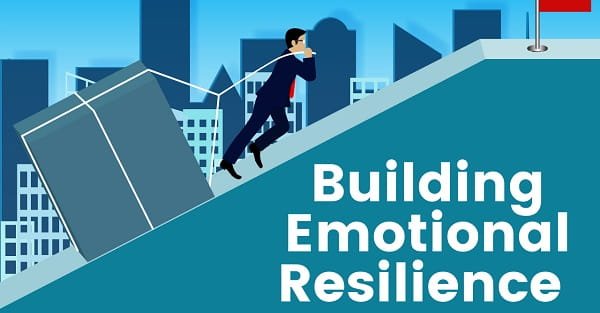
Understand What Emotional Resilience Means
Emotional resilience is the ability to cope with life’s difficulties without becoming overwhelmed by them. It allows you to manage stress, adapt to change, and recover from setbacks more effectively.
Emotionally resilient individuals often:
- Stay calm under pressure
- Adapt to unexpected situations
- Learn from challenges
- Maintain hope during difficult times
- Manage emotions in healthy ways
- Continue pursuing goals despite obstacles
Resilience does not mean never feeling sad, frustrated, or disappointed. Instead, it means responding to those emotions constructively.
Accept That Challenges Are Part of Life
One of the foundations of emotional resilience is accepting that difficulties are a normal part of the human experience. Many people become more stressed because they expect life to be free from problems.
Instead of viewing challenges as unfair interruptions, try to see them as opportunities for growth and learning.
Ask yourself:
- What can I learn from this experience?
- How can this situation help me grow?
- What strengths can I develop through this challenge?
Acceptance helps reduce resistance and allows you to focus on productive responses.
Develop a Positive Perspective
A positive perspective does not mean ignoring problems. Rather, it means choosing to focus on possibilities, solutions, and opportunities for improvement.
To strengthen a positive outlook:
- Practice gratitude daily.
- Focus on what is going well.
- Recognize small victories.
- Look for lessons in setbacks.
A balanced and optimistic perspective can improve your ability to navigate difficult situations with confidence.
Build Strong Self-Awareness
Self-awareness is the ability to recognize your emotions, thoughts, and behavioral patterns. Understanding how you respond to stress helps you manage challenges more effectively.
You can improve self-awareness by:
- Journaling regularly
- Reflecting on your experiences
- Practicing mindfulness
- Paying attention to emotional triggers
The more you understand yourself, the better equipped you are to respond thoughtfully rather than react impulsively.
Strengthen Healthy Relationships
Supportive relationships are one of the most important factors in emotional resilience. Friends, family members, mentors, and trusted colleagues can provide encouragement, perspective, and emotional support during difficult times.
To strengthen your support network:
- Stay connected with loved ones.
- Communicate openly and honestly.
- Offer support to others.
- Build meaningful relationships.
Strong social connections can help reduce stress and increase emotional stability.
Learn to Manage Stress Effectively
Chronic stress can weaken resilience and make challenges feel more overwhelming. Therefore, developing healthy stress-management techniques is essential.
Helpful practices include:
- Regular exercise
- Deep breathing exercises
- Meditation
- Spending time outdoors
- Maintaining healthy routines
Managing stress proactively allows you to respond more effectively when difficulties arise.
Focus on What You Can Control
Many people become emotionally drained because they worry about situations beyond their control. While some circumstances cannot be changed, your response to them is often within your control.
When facing challenges:
- Identify what you can influence.
- Take practical action where possible.
- Accept what cannot be changed.
- Direct your energy toward solutions.
This approach creates a greater sense of empowerment and reduces feelings of helplessness.
Practice Positive Self-Talk
Your internal dialogue has a significant impact on emotional resilience. Negative self-talk can increase stress and self-doubt, while supportive self-talk encourages confidence and perseverance.
Replace thoughts such as:
- “I cannot handle this.”
- “Everything is going wrong.”
With statements like:
- “I can work through this challenge.”
- “I have overcome difficulties before.”
- “I will learn and grow from this experience.”
Positive self-talk helps strengthen emotional endurance and self-belief.
Develop Problem-Solving Skills
Resilient individuals tend to focus on solutions rather than becoming stuck in problems. Developing strong problem-solving skills can improve your ability to handle adversity.
When faced with a challenge:
- Clearly define the problem.
- Brainstorm possible solutions.
- Evaluate available options.
- Take action.
- Review the results.
A proactive approach often reduces stress and increases confidence.
Prioritize Physical Health
Physical and emotional well-being are closely connected. Healthy lifestyle habits provide the energy and stability needed to manage life’s challenges.
Important habits include:
- Getting enough sleep
- Eating nutritious foods
- Staying hydrated
- Exercising regularly
- Limiting unhealthy coping mechanisms
Taking care of your body supports emotional strength and resilience.
Embrace Continuous Learning
Every challenge offers an opportunity to learn something new about yourself and the world around you. Viewing setbacks as valuable learning experiences can strengthen resilience over time.
Consider:
- What skills can I develop?
- What lessons does this situation offer?
- How can I use this experience to grow?
A learning mindset transforms adversity into an opportunity for personal development.
Be Patient With Yourself
Building emotional resilience takes time. There will be moments when you feel discouraged, frustrated, or overwhelmed. These feelings are normal and do not indicate weakness.
During difficult periods:
- Practice self-compassion.
- Avoid harsh self-criticism.
- Acknowledge your efforts.
- Focus on gradual improvement.
Patience allows resilience to develop naturally through experience and practice.
Final Thoughts
Building emotional resilience in everyday life is one of the most valuable investments you can make in your personal well-being. By developing self-awareness, managing stress effectively, maintaining supportive relationships, focusing on what you can control, and adopting a positive mindset, you can strengthen your ability to navigate life’s challenges with confidence and determination.
Most importantly, remember that resilience is not about avoiding difficulties. It is about learning how to face them, adapt to them, and emerge stronger because of them. With consistent practice and healthy daily habits, you can build the emotional strength needed to thrive in both good times and challenging ones.