 By Ramesh Sharma
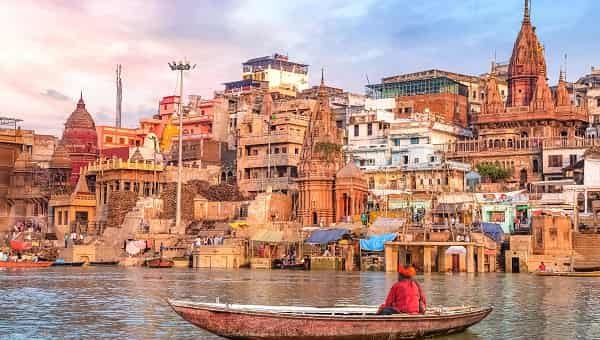
 Varanasi is not only a travel destination; it is one of India’s deepest spiritual experiences. Also known as Kashi and Banaras, this ancient city stands on the banks of the holy Ganga and is closely connected with Lord Shiva, temple traditions, moksha beliefs, Sanskrit learning, music, rituals, and the timeless life of the ghats. The official Varanasi district portal describes the city as one of the world’s oldest living cities and one of the most sacred places, also known as the “city of temples,” “religious capital of India,” and “city of Lord Shiva.” For many visitors, Varanasi is not just about sightseeing; it is about feeling the power of faith, watching the Ganga Aarti, walking through old lanes, and experiencing a city where life, death, devotion, and culture meet every day.
Best Time to Visit Varanasi
The best time to visit Varanasi is generally from October to March. This is the most comfortable period for temple visits, ghat walks, sunrise boat rides, evening Ganga Aarti, local food walks, and nearby sightseeing. Uttar Pradesh Tourism also lists October to March as the season for Varanasi, making it the most suitable travel window for most tourists and pilgrims.
During these months, the weather is cooler compared to the harsh summer. You can explore Kashi Vishwanath Temple, Dashashwamedh Ghat, Assi Ghat, Manikarnika Ghat, Sarnath, Banaras Hindu University, Ramnagar Fort, and the old city lanes without feeling too exhausted.
Varanasi in Winter: November to February
Winter is the best and most popular season to visit Varanasi. The mornings are cool, the evenings feel pleasant, and the ghats become perfect for slow walks and photography. Sunrise boat rides on the Ganga are especially beautiful in winter because the river, mist, temples, and old buildings create a peaceful atmosphere.
This is also a very good time for pilgrims who want to visit Kashi Vishwanath Temple and other important temples comfortably. The evening Ganga Aarti is one of the biggest attractions of Varanasi. The Kashi official portal describes Ganga Aarti as a daily spiritual ceremony performed on the sacred ghats of the Ganga.
The only thing to remember is that winter is also peak tourist season. Hotels near the ghats can become expensive, and the main temple areas may remain crowded. Booking your stay early is a smart idea.
Varanasi in Spring: March
March is also a good month to visit Varanasi, especially in the first half. The weather starts becoming warmer, but it is still manageable for sightseeing. This period is good for people who want a mix of spiritual travel, local culture, and festival atmosphere.
Varanasi also has a strong connection with festivals, music, rituals, and traditional celebrations. The city’s official event listings include important events such as Ganga Aarti, Subah-e-Banaras, Mahashivratri, Māsān Holi, and other cultural-spiritual occasions. If your travel dates match any major festival, Varanasi can feel even more powerful, but the crowd will also be heavier.
Varanasi in Summer: April to June
Summer is not the best time to visit Varanasi. April, May, and June can be very hot, especially during the afternoon. Walking through narrow lanes, standing in temple queues, or exploring ghats under strong sun can become tiring.
If you have to travel in summer, plan your outings carefully. Visit temples early in the morning, rest during the afternoon, and go for the Ganga Aarti in the evening. Carry cotton clothes, sunglasses, water, and light food. Summer may be cheaper for hotels, but it is not ideal for elderly travellers, children, or people who cannot tolerate heat.
Varanasi in Monsoon: July to September
Monsoon gives Varanasi a different look. The Ganga looks fuller, the ghats feel dramatic, and the city gets a softer rainy-season mood. However, monsoon is not always easy for sightseeing. Rain, humidity, slippery steps, waterlogging in some lanes, and changing river conditions can disturb travel plans.
This season is better for budget travellers or people who want a quieter trip. But for first-time visitors, October to March is still a better choice because movement becomes easier and the weather is more pleasant.
Best Time Based on Travel Purpose
For a first-time Varanasi trip, November to February is best. For temple darshan and ghat walks, October to March is ideal. For sunrise boat rides and photography, winter mornings are excellent. For festivals and spiritual atmosphere, Mahashivratri, Dev Deepawali, and other major festival periods are special, but crowded. For budget travel, summer and monsoon may be cheaper, but the weather is less comfortable.
Important Travel Tips for Varanasi
Stay near Godowlia, Dashashwamedh Ghat, Assi Ghat, or Cantonment depending on your comfort and budget. Start your day early because morning is the best time for boat rides, temple visits, and ghat walks. Wear comfortable footwear because old Varanasi is best explored on foot. Keep extra time for traffic and crowds near Kashi Vishwanath Temple and the ghats. Dashashwamedh Ghat is one of the main centres of tourist activity, and Uttar Pradesh Tourism mentions that the grand Ganga Aarti is performed there every day around evening time.
Varanasi should not be rushed. The real beauty of Kashi is in its slow mornings, temple bells, Ganga breeze, narrow lanes, burning lamps, old stories, and the feeling that this city has been breathing devotion for thousands of years.